
 Bridal ShowThe Aisle Bridal Show · Sunday, Feb 21 · Silver Run Chapel, Munford · theaislebridalshows.comRegister free →
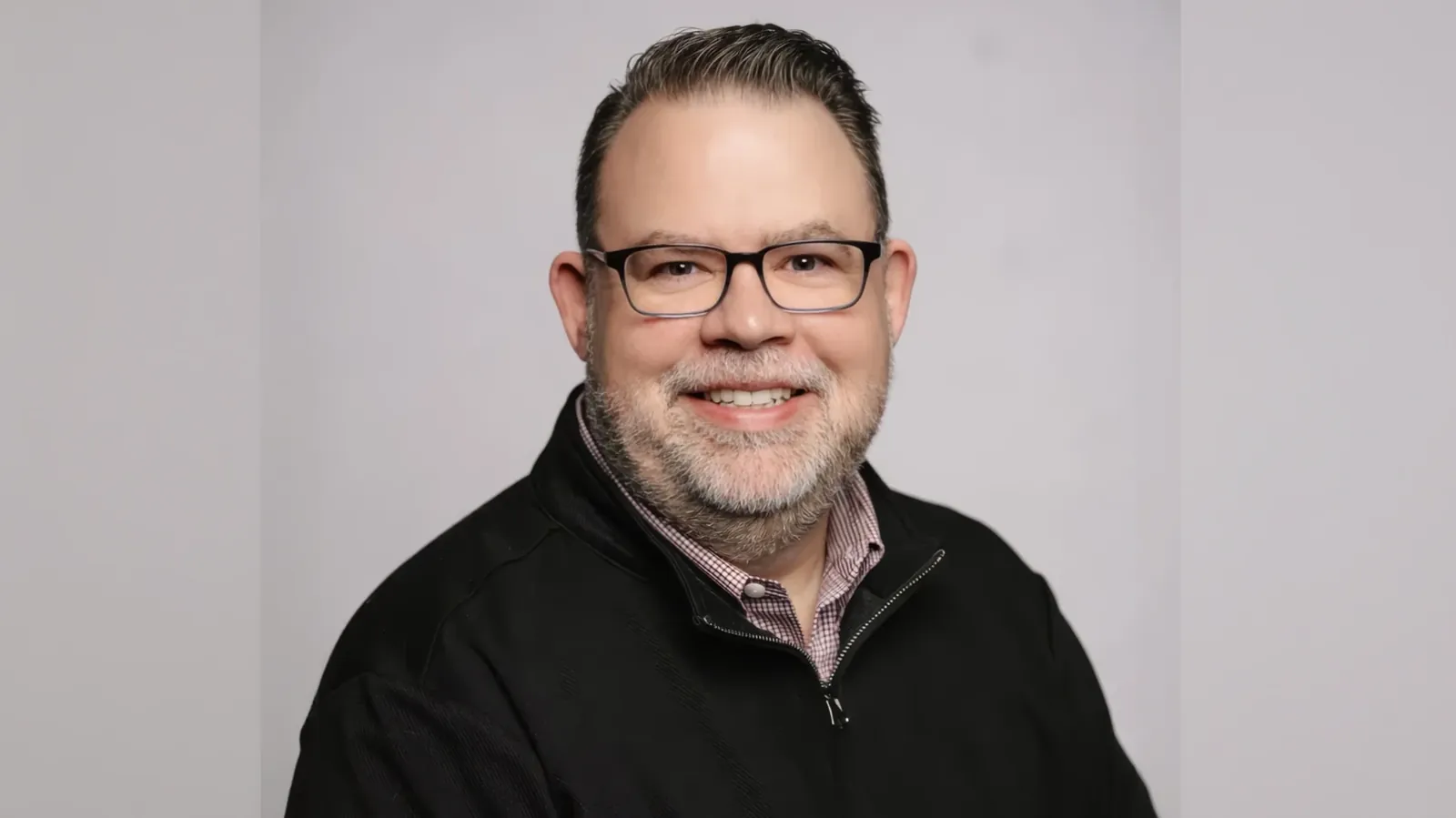
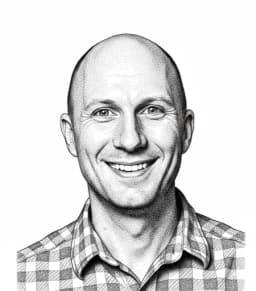
I knew who he was but didn't feel I should take up space. That was 2023, in a cinder block hallway at Anniston First: pastors' offices on one side, mine on the other. Shannon Jenkins was meeting with Kyle and Tammy. I was the music director. Shannon stopped. Shook my hand. Asked my name.
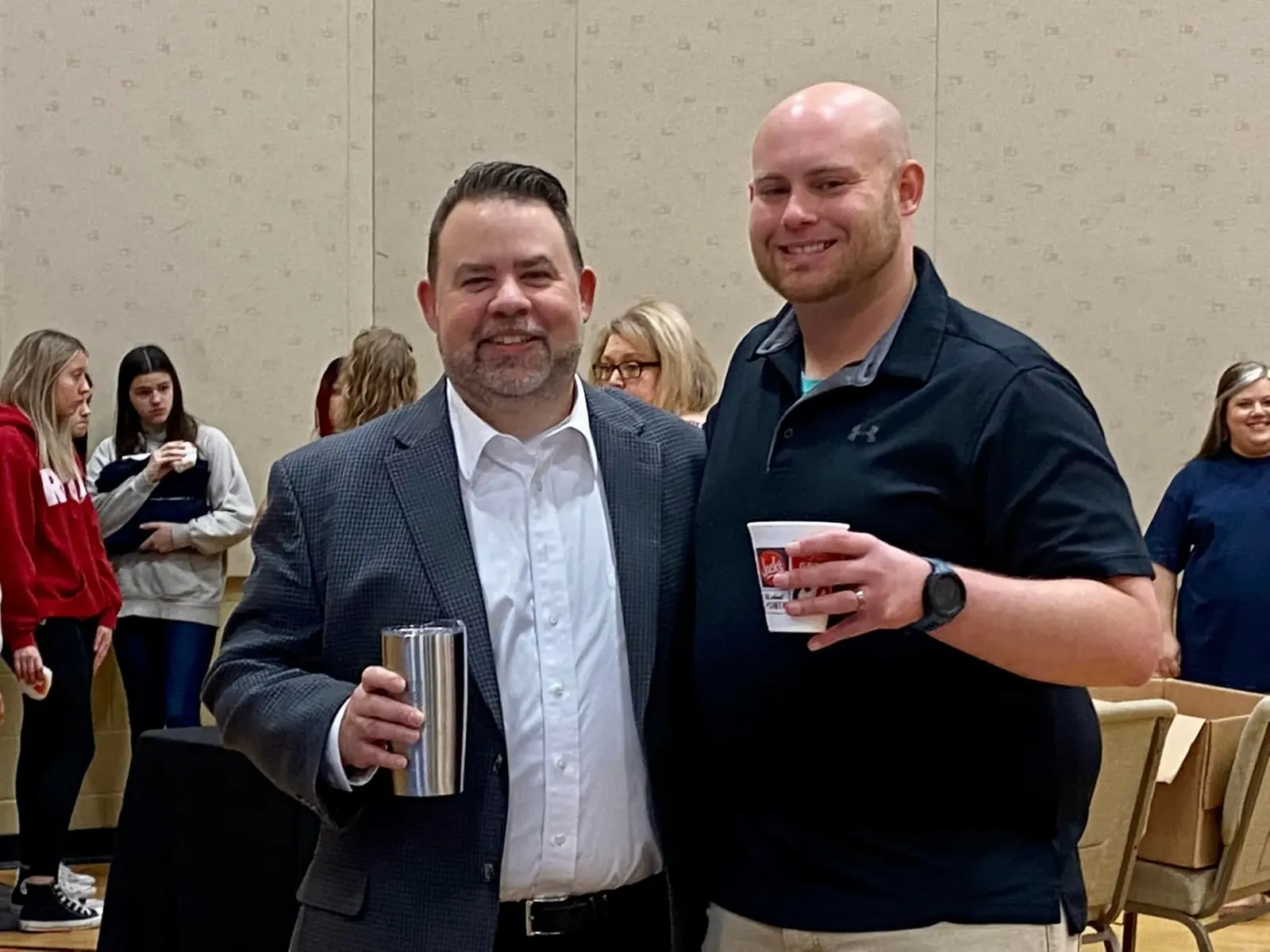
Some time after that, maybe a year, we bumped into each other at the Circle K in Golden Springs. He was standing behind his car at the adjacent pump. He spoke first. I wasn't sure he'd remember me. About a week later, he sent me a Facebook message.
"I had been dealing with some not so pleasant things that morning," he wrote, "and just seeing your familiar face helped."
Around 2018, when I was pastor at Weaver First UMC and we were dealing with homelessness issues , a friend told me about him. "He's really helping our county reduce the duplication of resources downtown," she said. "You should really connect with him." I filed it away.
Shannon grew up in rural White Plains, Alabama, where his family grew their own food. "We didn't know we were poor."
He studied marketing in college. "I thought I was called to professional ministry," he said. "It was a difficult experience, and I realized it wasn't for me."
Worked at Movie Gallery as a college student, renting out VHS tapes. Then took over a graphic design business from his wife. She had started it before print shops had a graphic designer on staff. His computer was an early Apple, first model, something like eight megabytes of memory. He laughed. "I realized working at home was not good for me," he said. "I had to get out of the house."
"I knew the director of United Way," he said. "He was a member at our church." He asked for the chance. The director hired him for two falls, about twenty-five hours a week for three months, helping with the annual fundraising campaign.
"I had no idea about what kind of poverty was out there. Honestly, I was ashamed."
He never left.

Twenty-two years later, he runs an organization with thirty-two staff and programs of its own. Nine social workers on staff now. He had none when he started. "That was a huge relief," he told me.
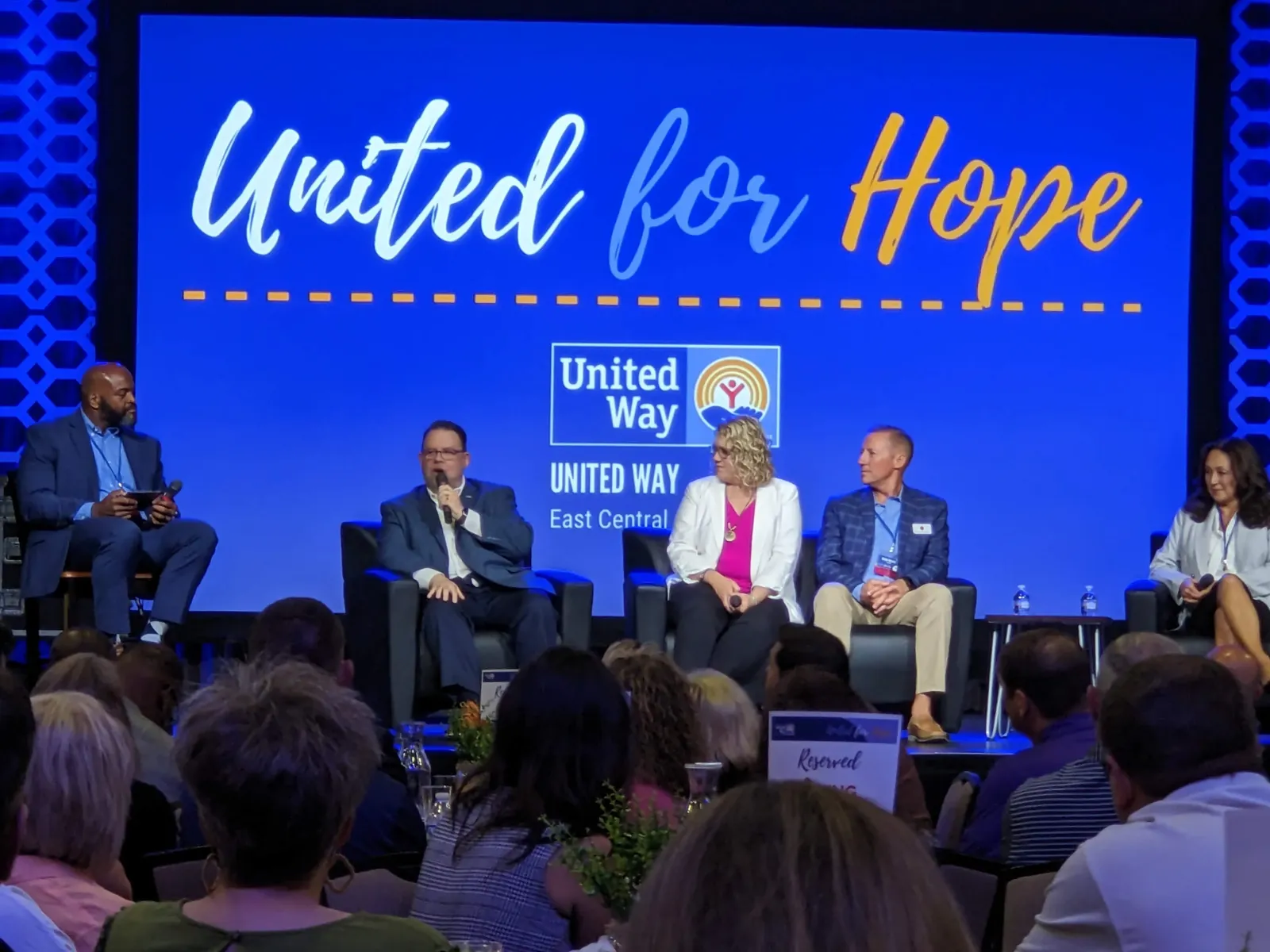
I saw him onstage once, at the United for Hope luncheon at the Oxford Civic Center. More than three hundred people, catered lunch. My friend Brian Howell, VP at Auto Custom Carpets, on the panel with him. Shannon was being interviewed. He cried. Laughed about crying.
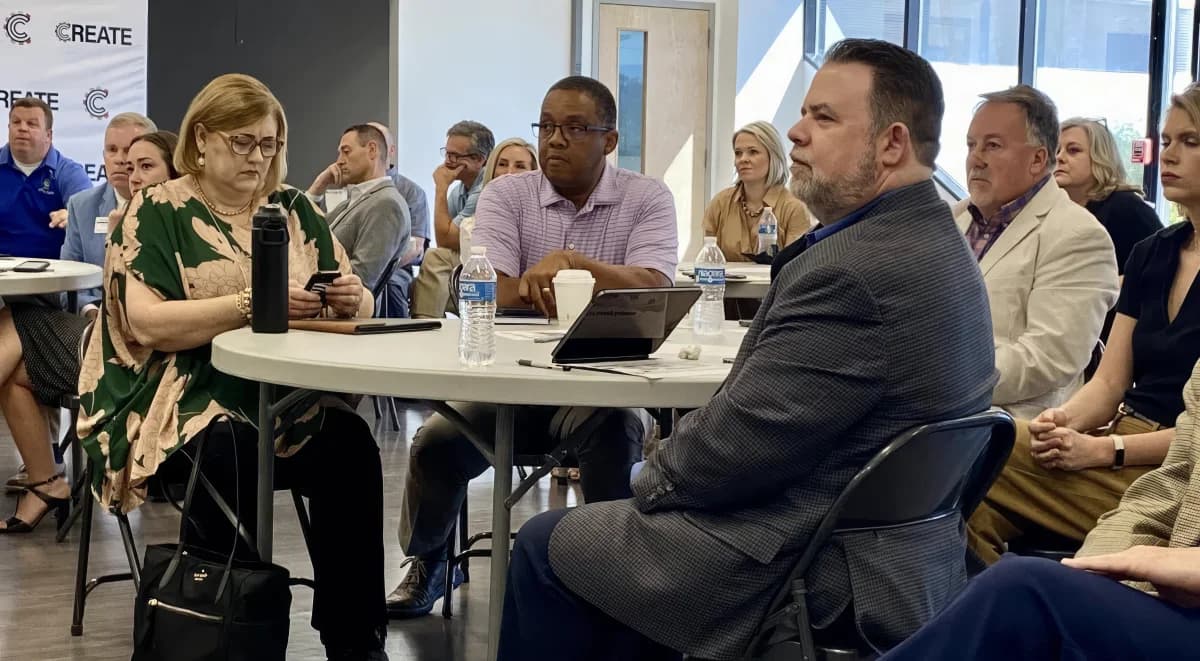
One of those programs is Martha's Hope, a center to end homelessness in Anniston. United Way purchased the building from Anniston First UMC: a two-story complex the congregation called the Bridge, gym and kitchen and meeting rooms and a literal bridge connecting it to the education wing. Same campus where Shannon and I first crossed paths, back when he was in conversations with the staff about hosting a warming station. Kyle Bryan runs it now. He was in that hallway the day Shannon stopped to ask my name.
The room where we planned Sunday services is now single-family housing. They've renovated the classrooms. The stage where we worshipped is gone. The gym holds about fifty cots.
Before my leave of absence, I ran into him at Full Belly Deli, right next door to the Freedom Riders National Monument. Full Belly was full of people for lunch. Attorneys, construction workers. Sy and his wife were behind the counter making sandwiches. I was there with staff. I must have said something about the farm. That I was afraid we might lose it. He looked at me. "Don't be afraid to dream."
Don't be afraid to dream.
I told him I didn't want to squander his time. He wrote back: "Honoring my time doesn't mean you have to act or be any certain way. I am happy to just provide the company — no expectations of any deep conversations. Time with a friend is never time wasted."
I resigned while I was manic. I didn't know it yet. At Called Coffee, I was throwing ideas at him. ReModel City. Wholehearted Roots. Nonprofit concepts, church plants. "These are great ideas," he said. "I just want to make a suggestion. When you share this with people, don't give it to them all at once. It could overwhelm them and they may have a hard time believing you. But these are beautiful visions. If it's okay with you, I'd like to take this and read over it some more."
I got better. After months of hiding. I started the web design work. A year later, we were back at Called Coffee.
I told him about the mania, the depression, the farm, the hospital, and recovery. About my new work. I asked if he knew Donald Miller. "The guy who wrote Blue Like Jazz?"
He had found Miller years earlier at Family Christian Bookstore: Blue Like Jazz. "It had that warning sticker on the cover. So of course I picked it up immediately. It was a book about deconstruction. Before deconstruction even had a name. It totally changed my life." He now trains his United Way staff on StoryBrand.
Morning light through the windows. Tammy was at the table next to us, leading a Bible study with a couple of church members.
He had written it years before, after that gas station. "I had been dealing with some not so pleasant things that morning. Just seeing your familiar face helped."



Responses