
 Bridal ShowThe Aisle Bridal Show · Sunday, Feb 21 · Silver Run Chapel, Munford · theaislebridalshows.comRegister free →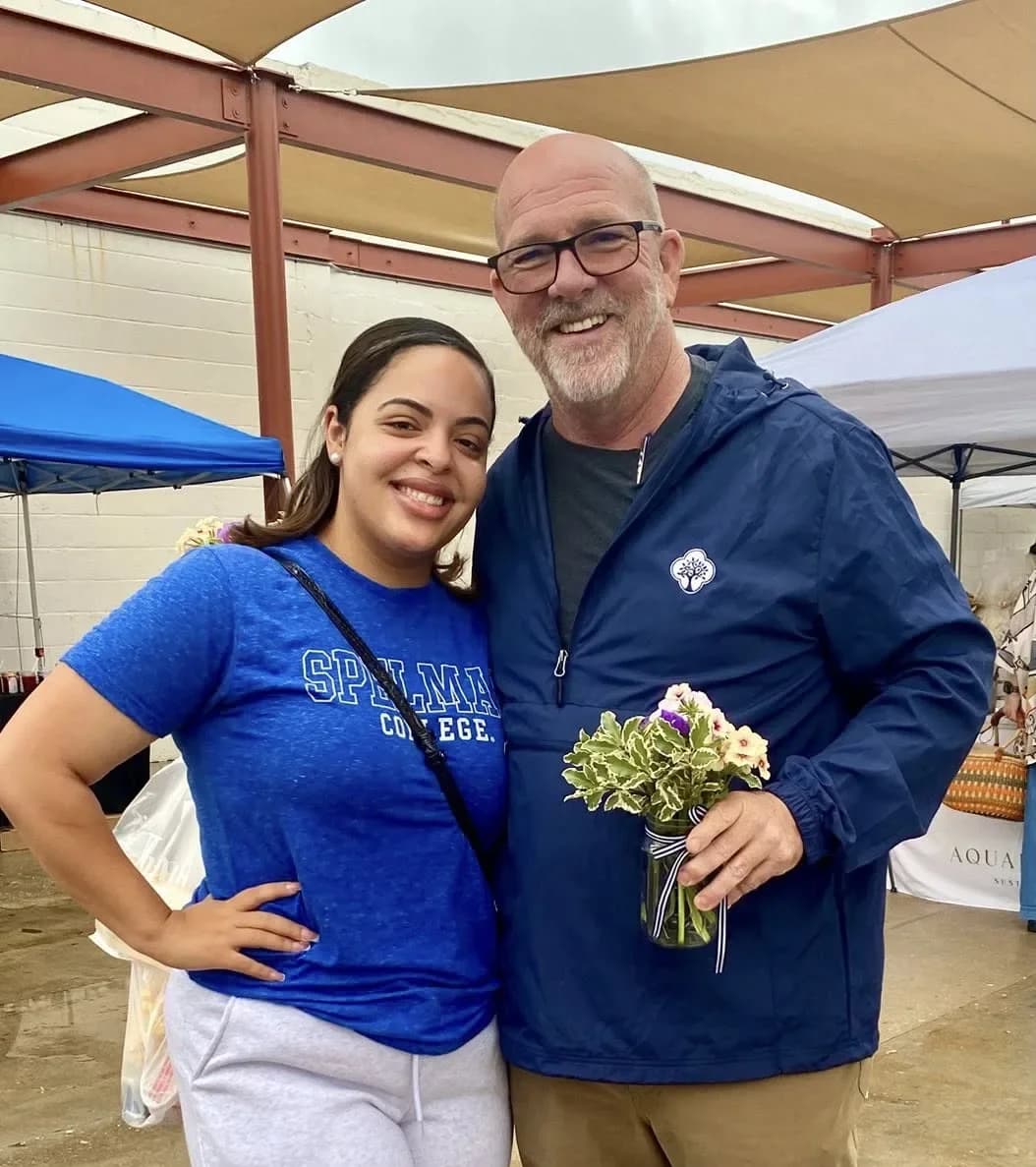
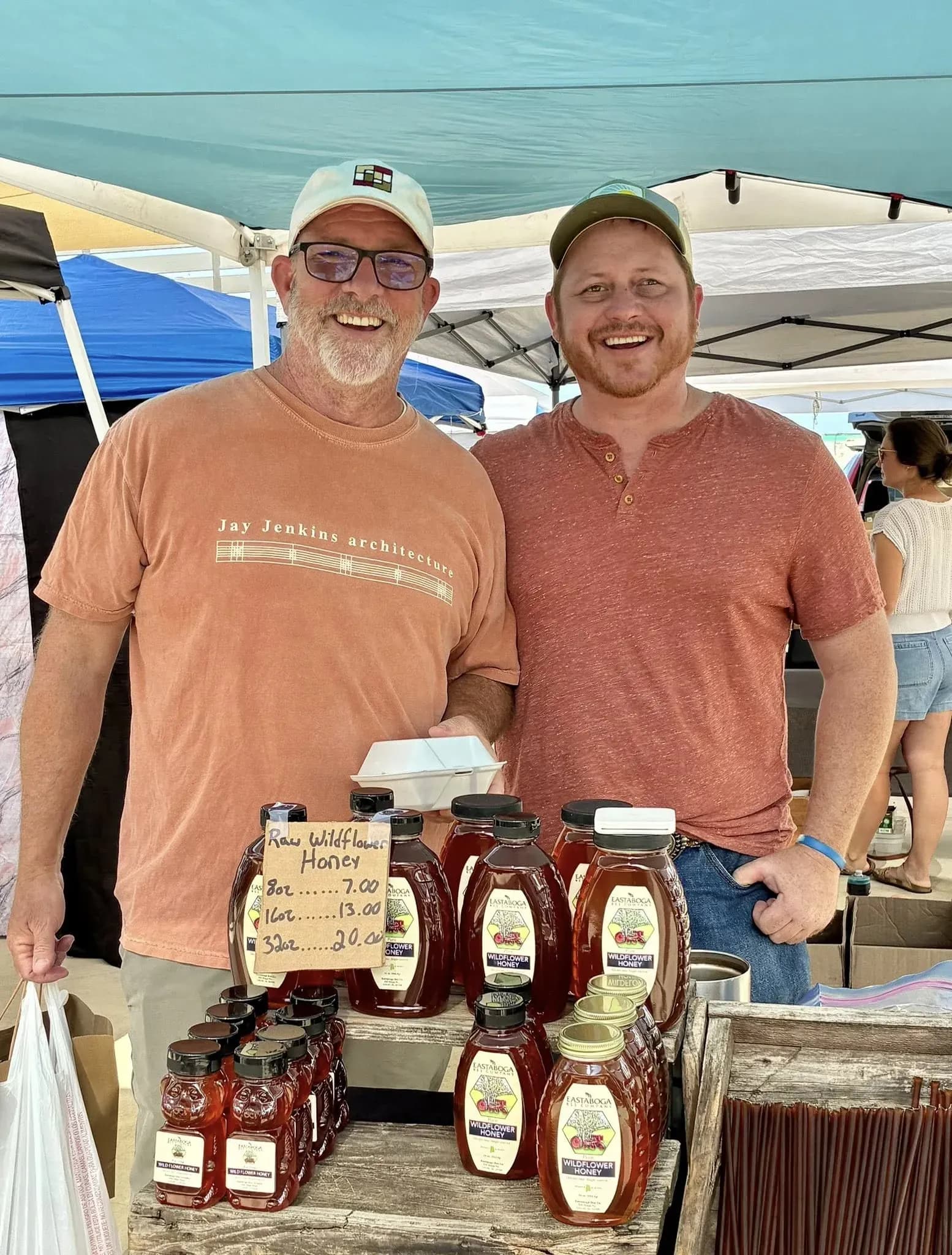
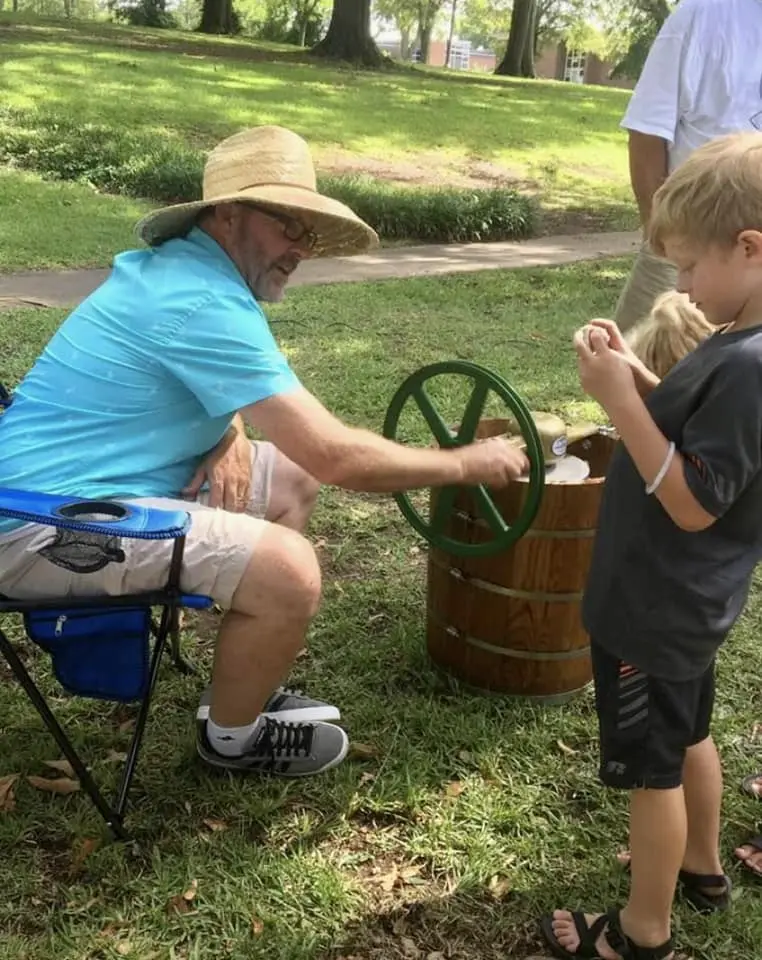
Heather would come home from the farmers market on Saturdays and I'd ask how it went. She'd name whoever had stopped by, what they bought. Jay Jenkins came up a lot. Not because he was remarkable in the way people mean when they say that. Because he was regular. Every week. Whatever she had.
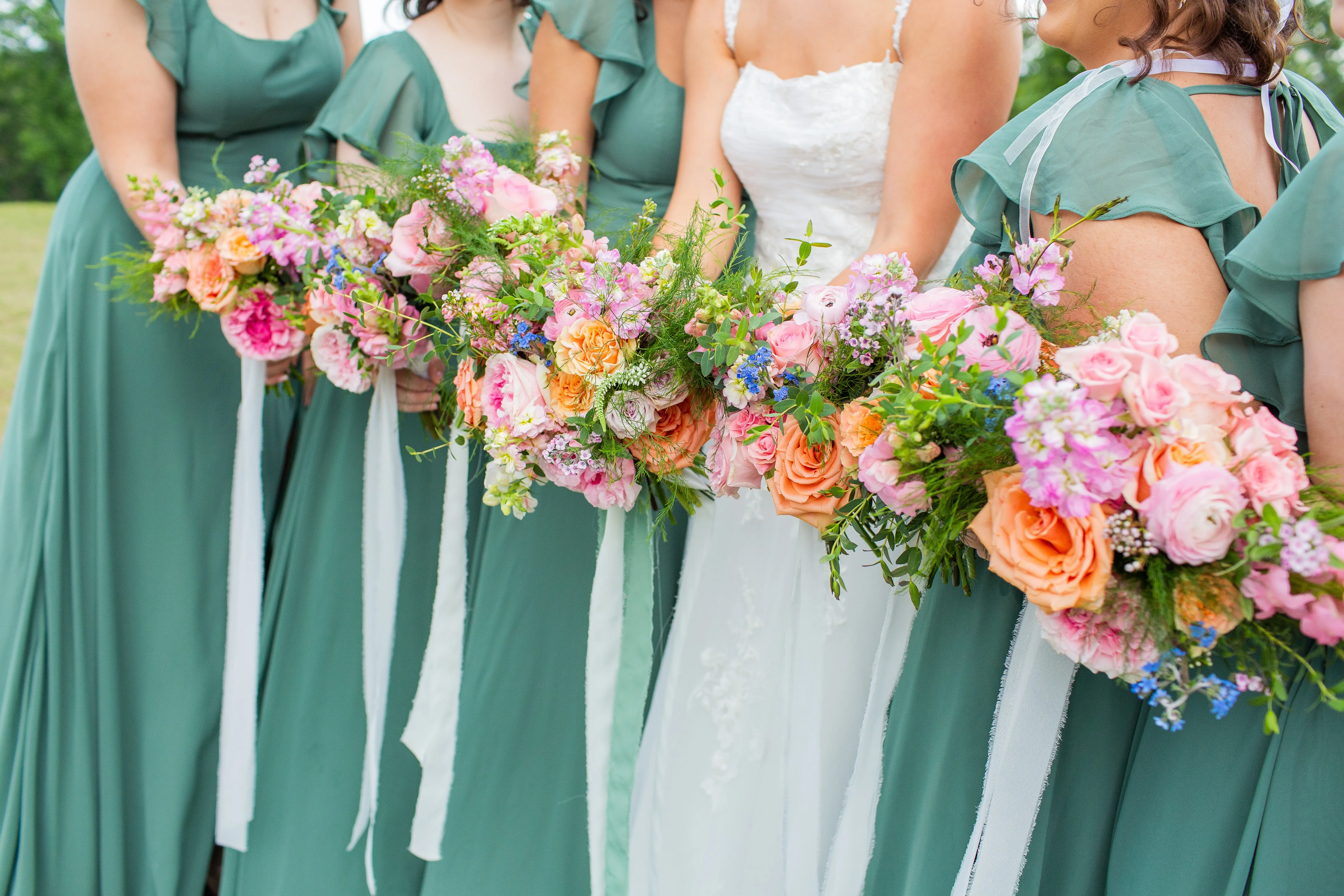
He would walk up with a friendly ease about him, then take his time — moving carefully through the buckets, leaning in to look, not reaching for anything until he'd made up his mind. When he'd decided, he'd buy more than one. Usually two or three bouquets. Sometimes he was heading to Auburn to see his daughter. Sometimes they were just for the house. He paid, thanked her, and left.
He bought flowers for four years.
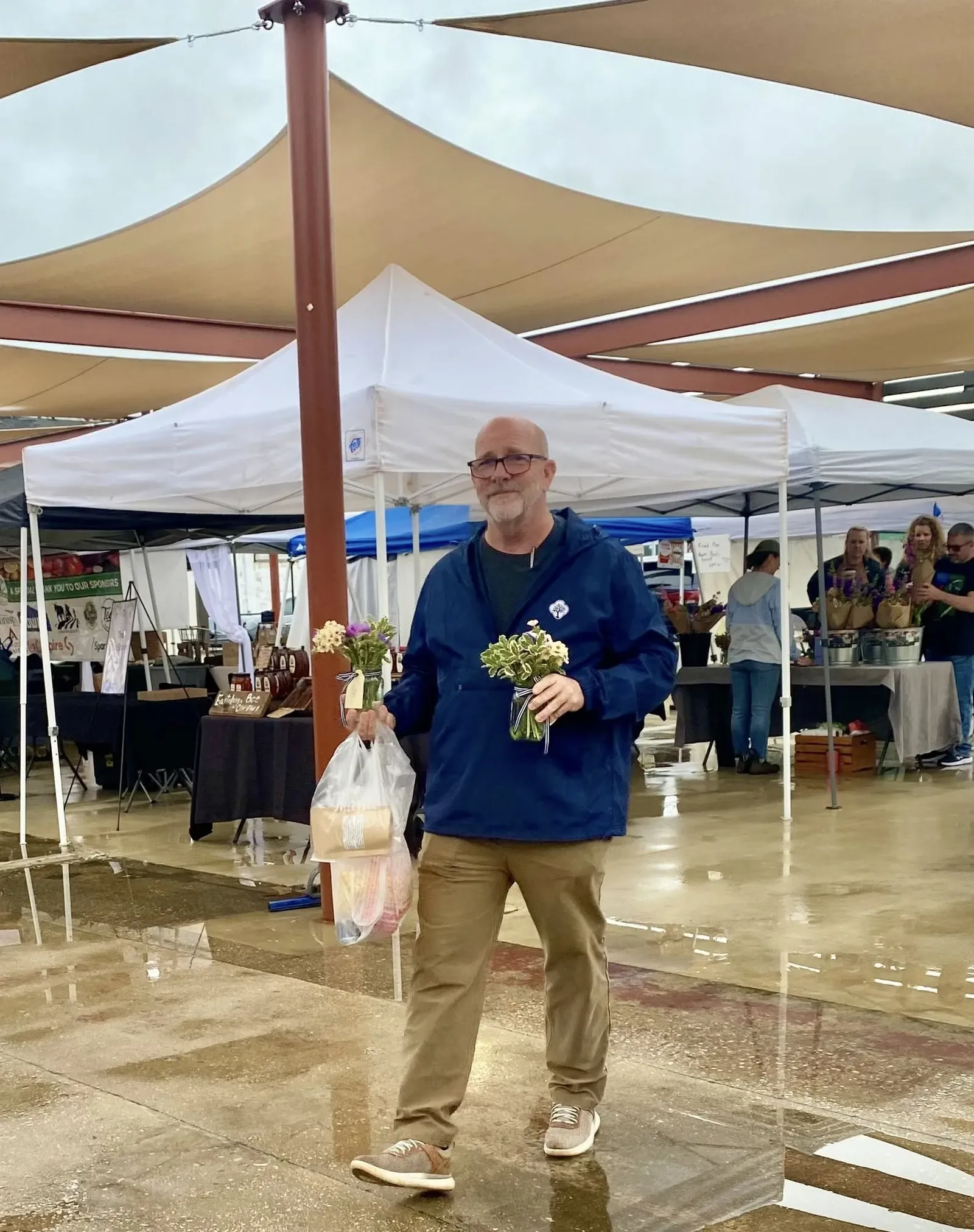
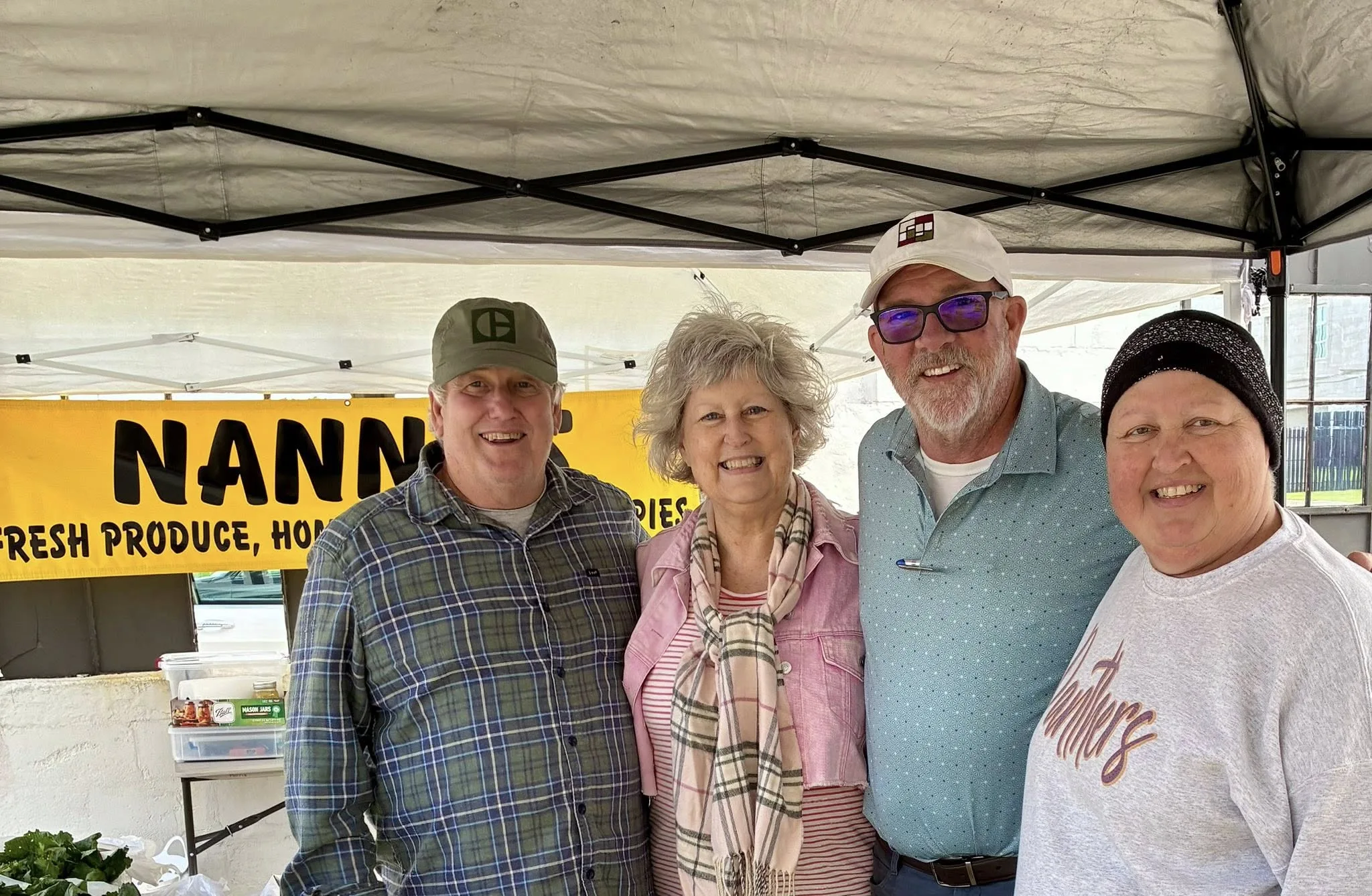
 booth at the Anniston Farmers Market, May 2024](/_next/image?url=%2Fimages%2Fprofiles%2Fjay-jenkins%2Fmarket-booth-may2024.webp&w=3840&q=75&dpl=dpl_BTp2qgD2k4U2T5KRHFrKBBu5WkXS)
When he hired Heather to do his daughter's wedding, it was her first. I have the photos. White and ivory and eucalyptus green — the kind of quiet elegance you only pull off when you've been growing something long enough to know what restraint looks like. Years of early mornings and bad seasons and soil that didn't cooperate, and then one morning it all became somebody's wedding.
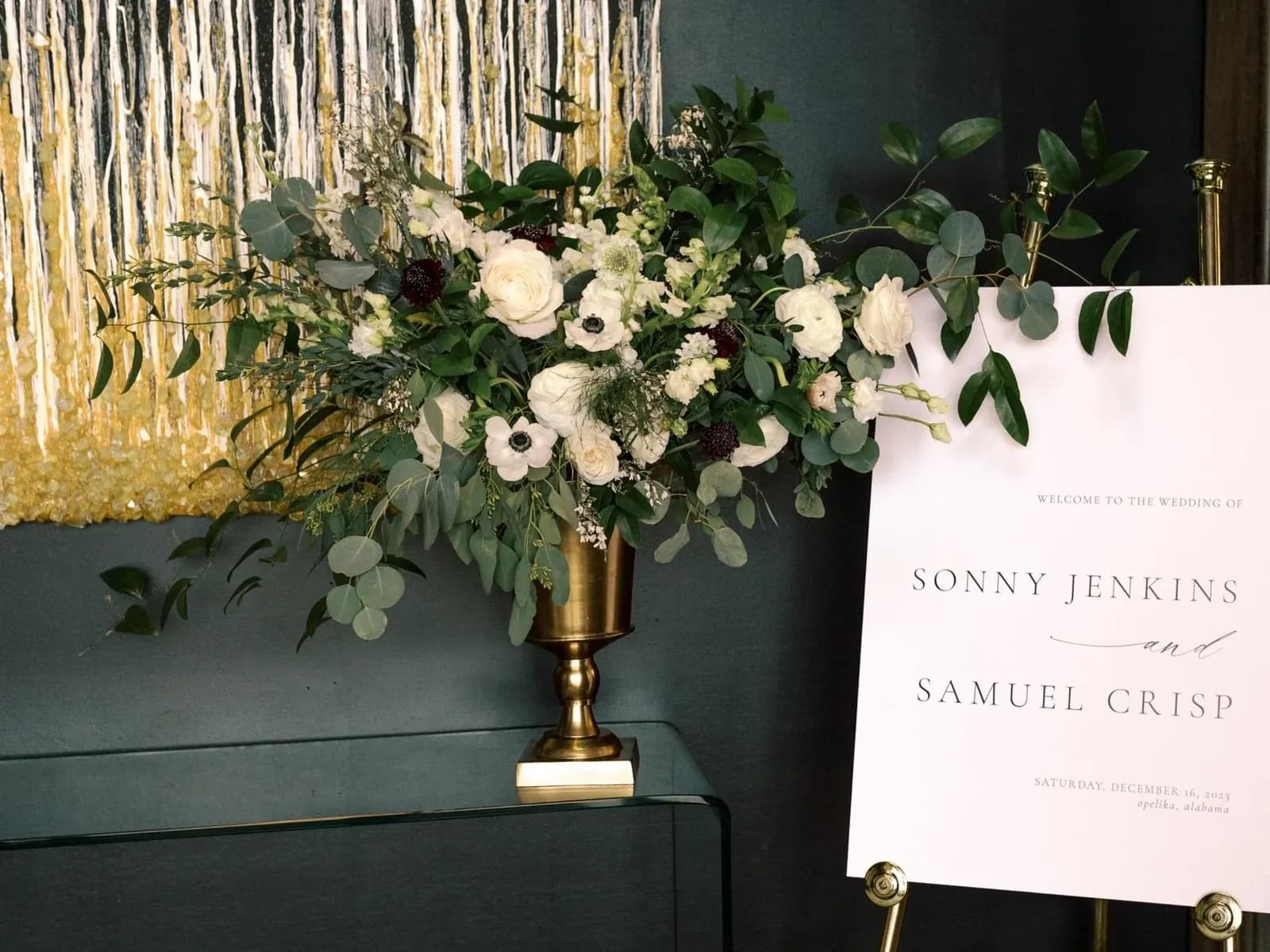
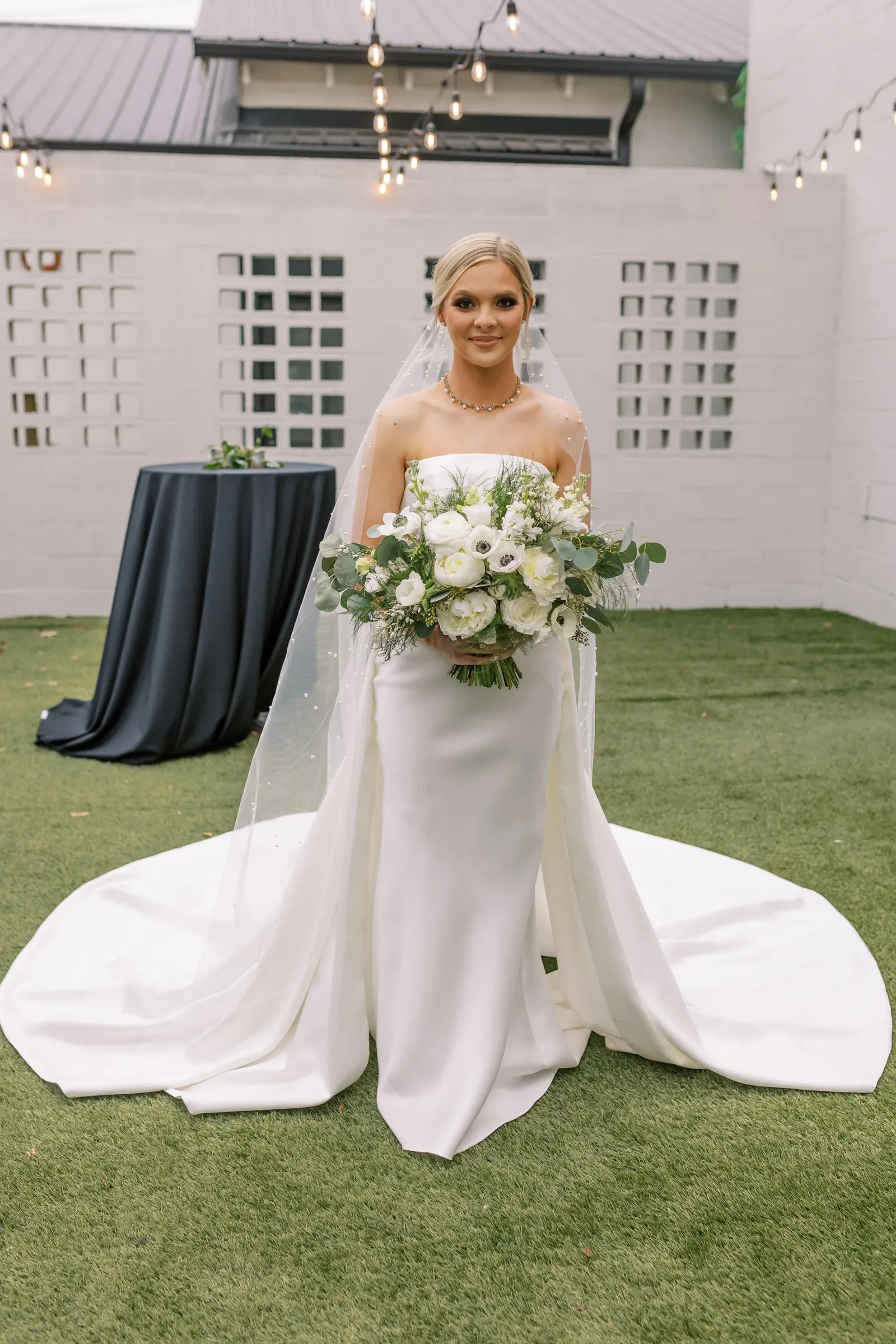
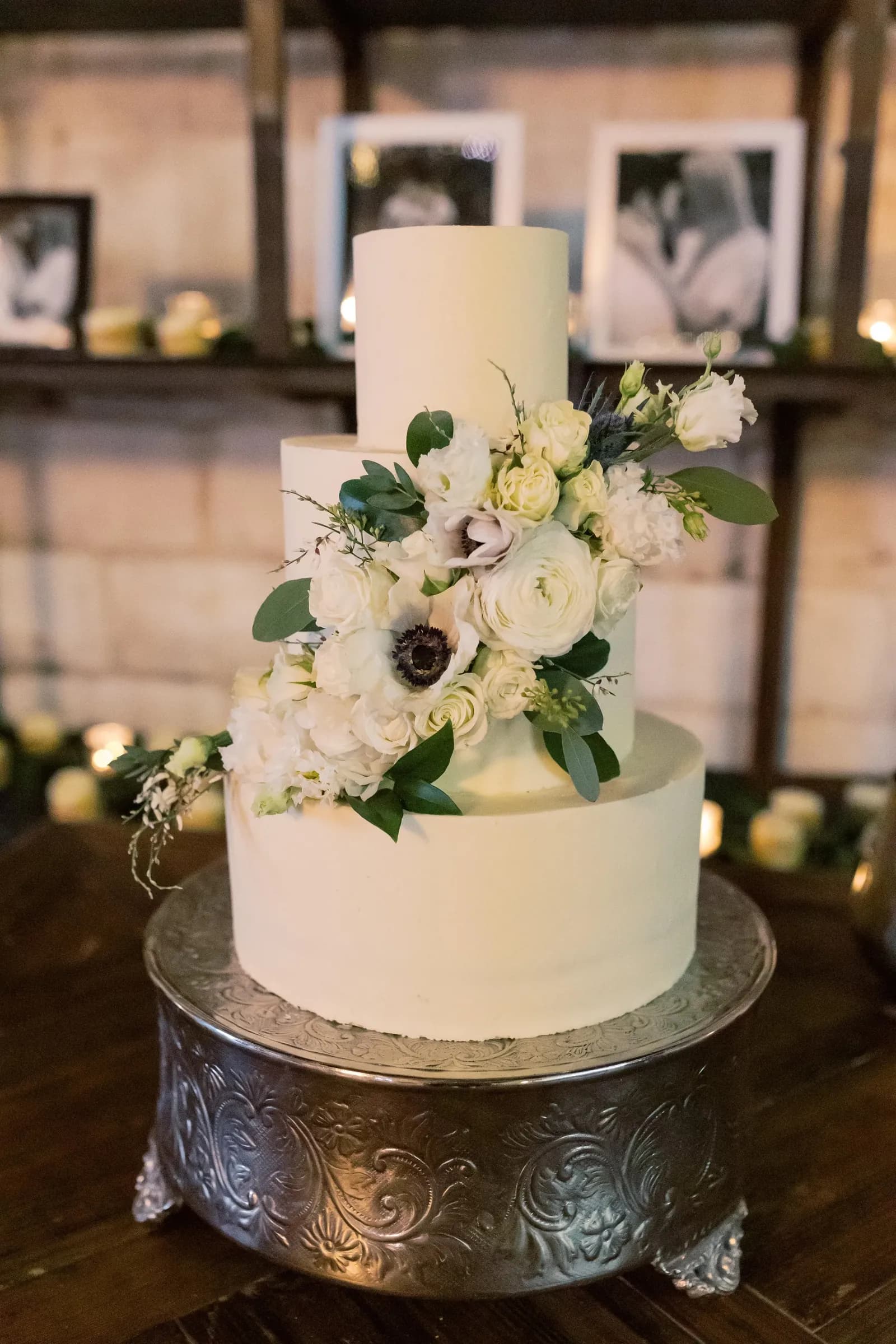
When she finished, Jay told her: "You knocked it out of the park, Heather."
He bought flowers for four years.
Jay Jenkins is an architect. He went to Donoho, class of 1983, then to Auburn for the architecture degree — seven years, not the standard five. Something happened in that stretch.
After graduation he moved to Denver. Worked with two firms. Then came back to Anniston in 1992 and joined Munroe + Jenkins. He's been there since. Partner since 2005. His personal architectural entity — Jay Jenkins architecture, LLC — carries his name and a Mondrian-grid logo he designed himself, the kind of mark an architect makes when he finally gets to say what he thinks a building should look like before anyone else weighs in.
His father, Julian W. Jenkins, was an architect here before him. Julian's name is on the National Register of Historic Places nomination for the Caldwell Building at 1001 Noble Street — built 1889, Italianate, the hub of the Anniston business district. Jay grew up watching his father try to save things.
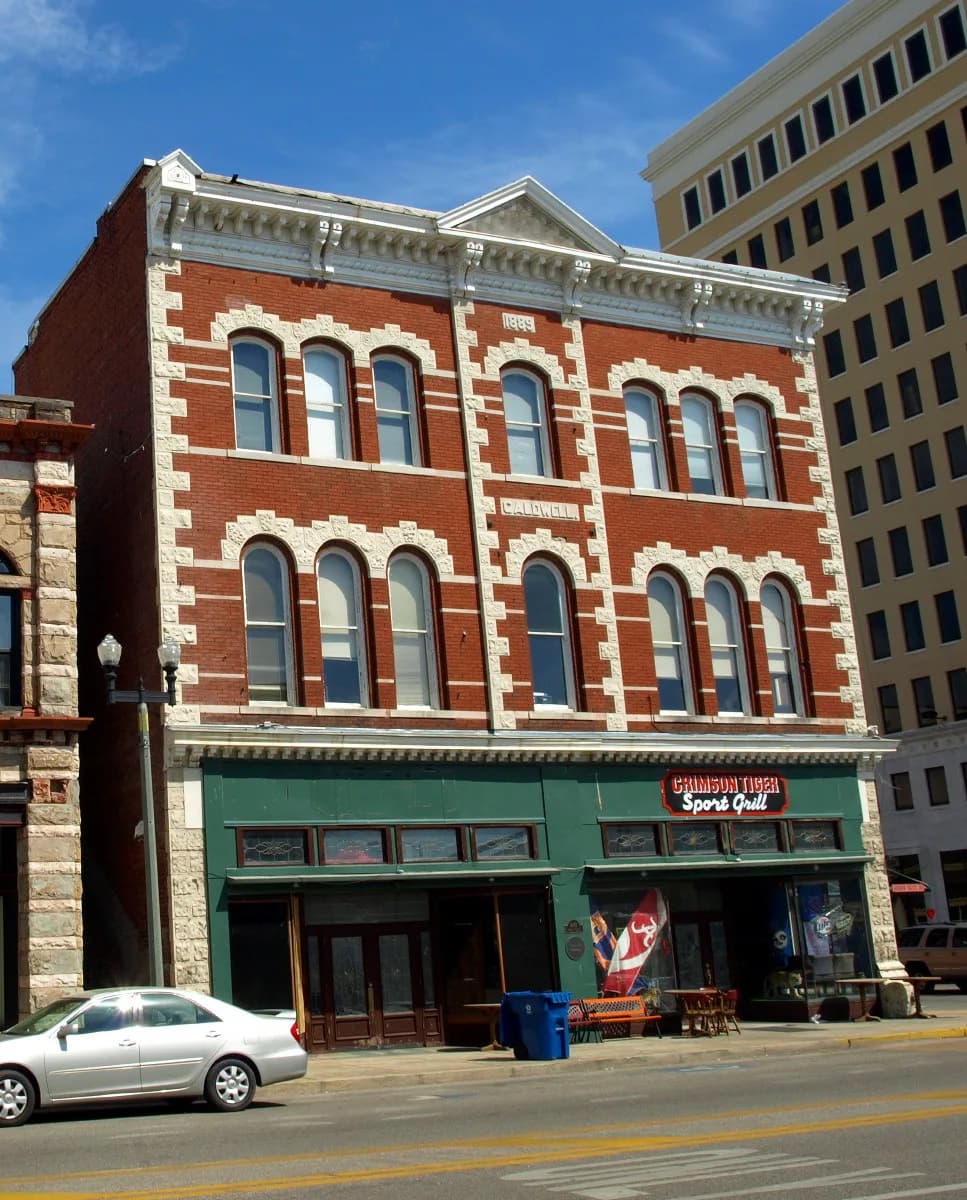
That's the throughline, if there is one. Jay's career has been less about what to build than about what to keep.
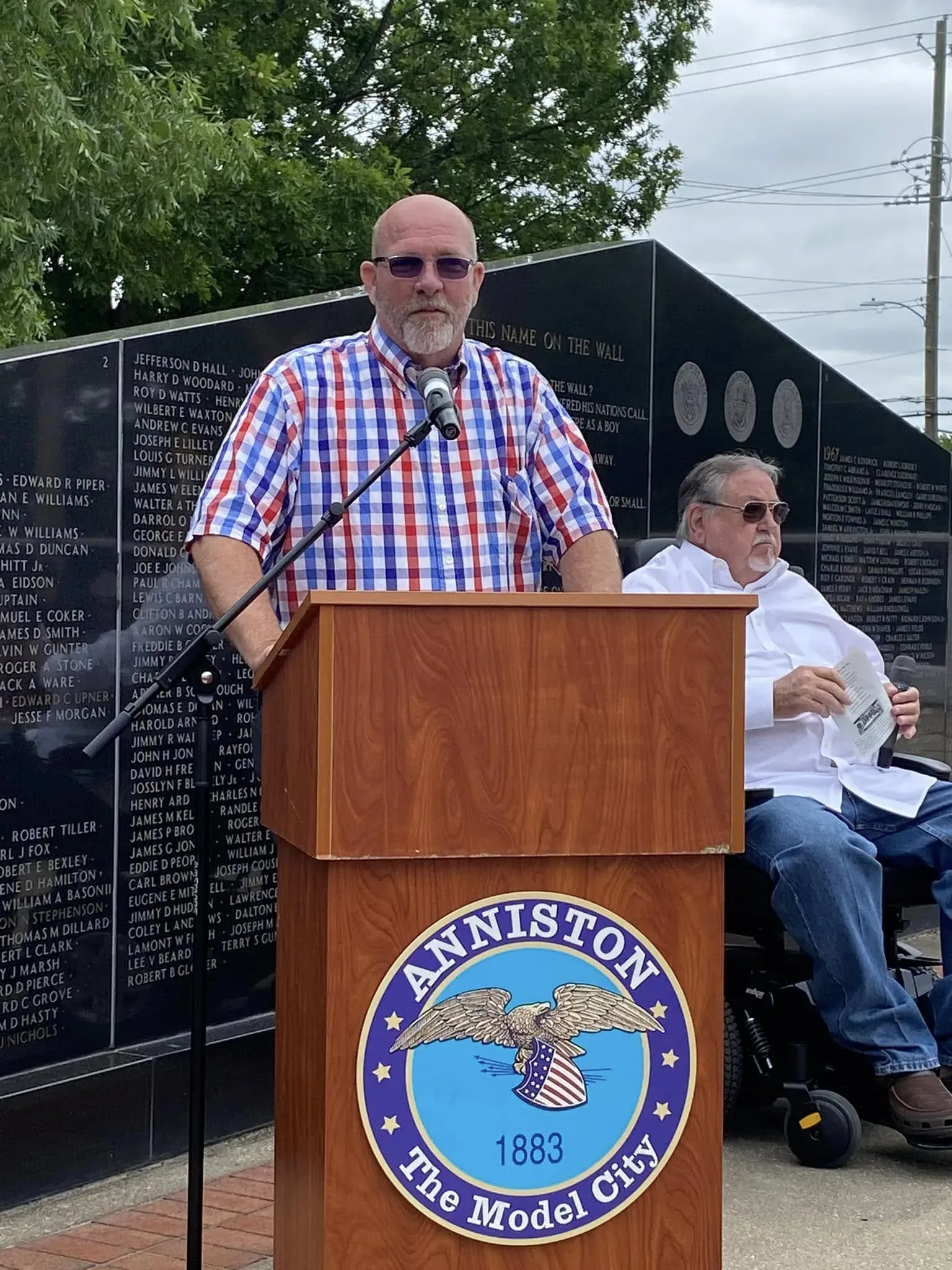
When the city was going to spend $2.9 million on a new homeless shelter, Jay looked at what already existed. The Bridge property at Anniston First United Methodist Church had a commercial kitchen. It had shower facilities. The structure was there. They redirected the project, saved $1.1 million, and served the same need. The West Anniston Master Plan he helped shape proposed something similar at scale — Cooper Homes, Cobb School, Carver Park, the local library, not separate institutions sitting on separate city line items but a single campus made from what was already standing. The phrase he used was "cradle-to-career."
From 2021 to 2025, I served as Associate Pastor and Music Director at Anniston First United Methodist Church — the same campus where The Bridge sits. I used to step over people sleeping on the concrete to get in the door. I watched those same people from my office window for four years. Jay's decision shaped what happened to that building. I didn't know his name yet.
Don't build new. Work with what the ground already holds.
He chaired the Regional Medical Center board during what nobody would describe as the easy years. Signed the UAB affiliation letter of intent. Secured $33.3 million in HUD financing. He's an architect who learned to see what a structure needs and go find the resources to give it that.
He served on the Anniston City Council, Ward 1, from January 2010 until October 15, 2024. Fifteen years. He resigned citing a personal turning point — his words. He said he needed to focus on the health of his business and his own physical well-being. Lewis Downing was sworn in to fill the seat in December. I'd written Lewis's profile first, "He Asked About the Farm." Jay's name was in the Star headline the night of the vote.
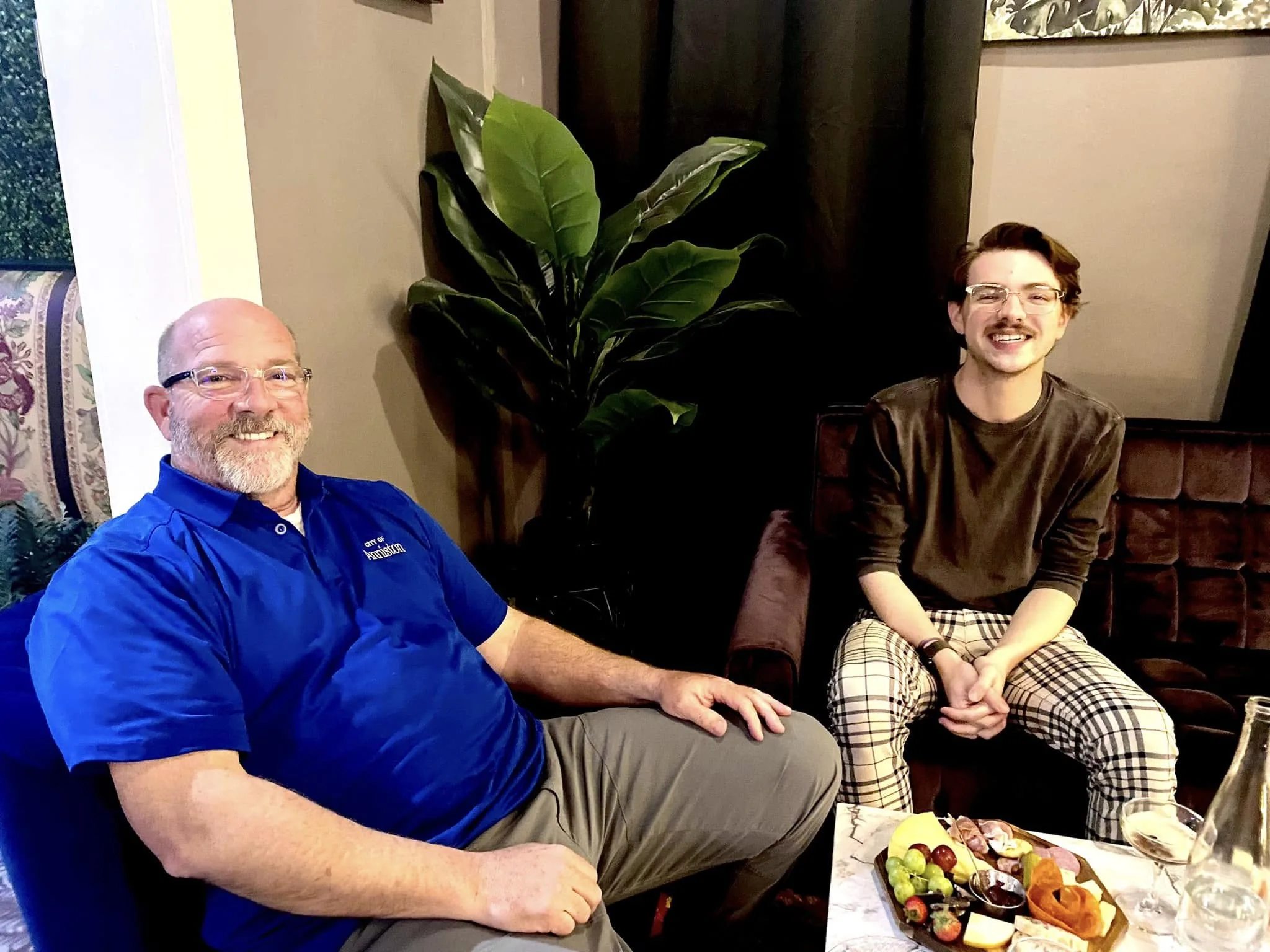

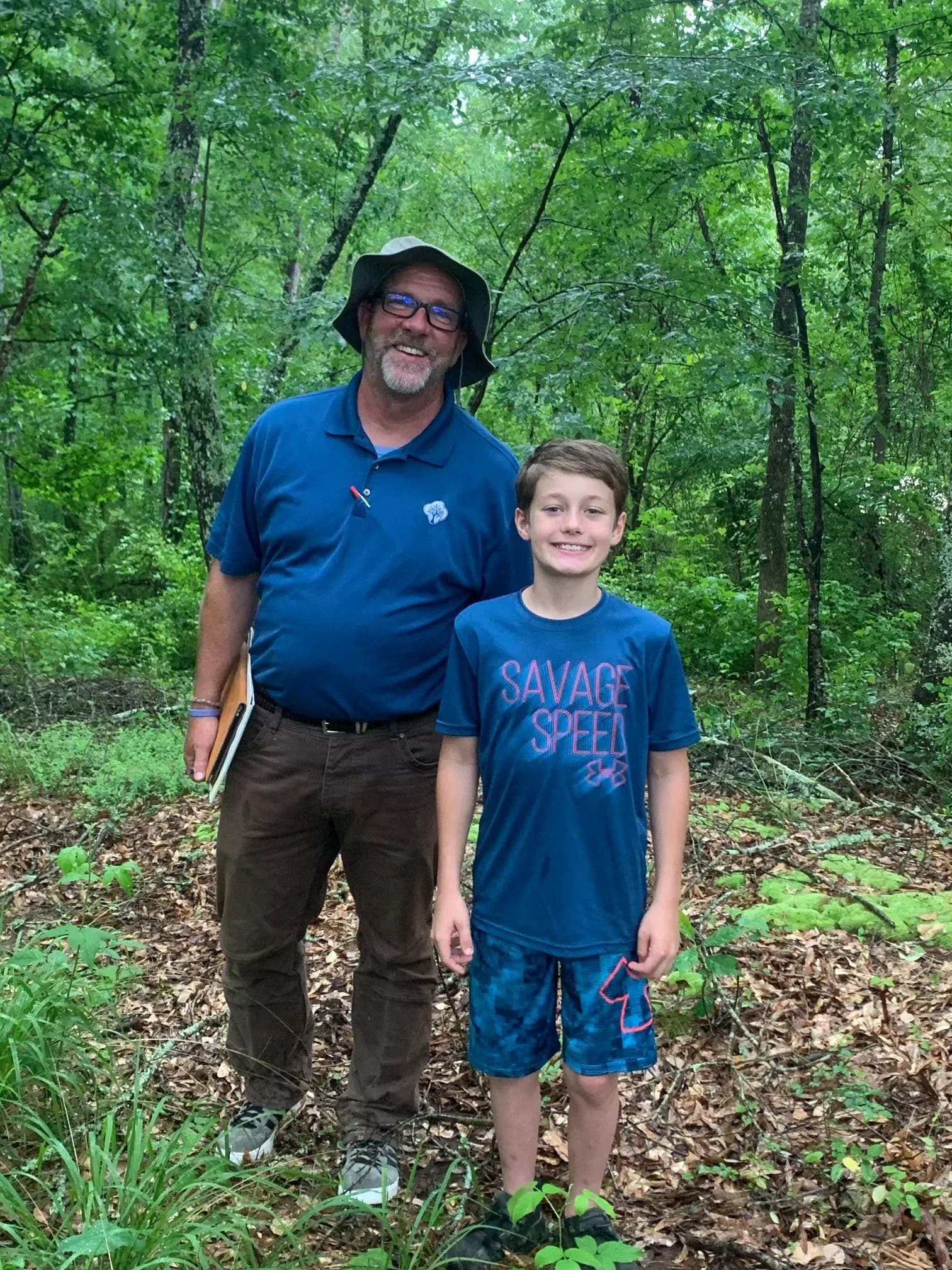
He coached soccer for sixteen seasons. He's an Elder at First Presbyterian Church. He is also a Make-A-Wish architect — not a title the organization issues, but an accurate one. When a child named Rylan was granted a wish, the wish was a treehouse. Jay walked the property with a clipboard. He stood in the woods with the kid and figured out what the thing should be. Then he built it.
When Donoho asked him what one piece of advice he'd give students, he said:
Savor the moments you have together. Rarely in your life will you have the opportunity to be so close to so many people.
That's the language of a man who has been paying attention.
His son Sterling has a theater background — directing, performing, the whole apparatus of it. At some point Jay stopped being the audience. There's a cast photo from a community production where he is center stage, arms up, grinning, the whole cast in sequined costumes. He looks like a man who figured out it was better to be in the room than to watch from outside it.
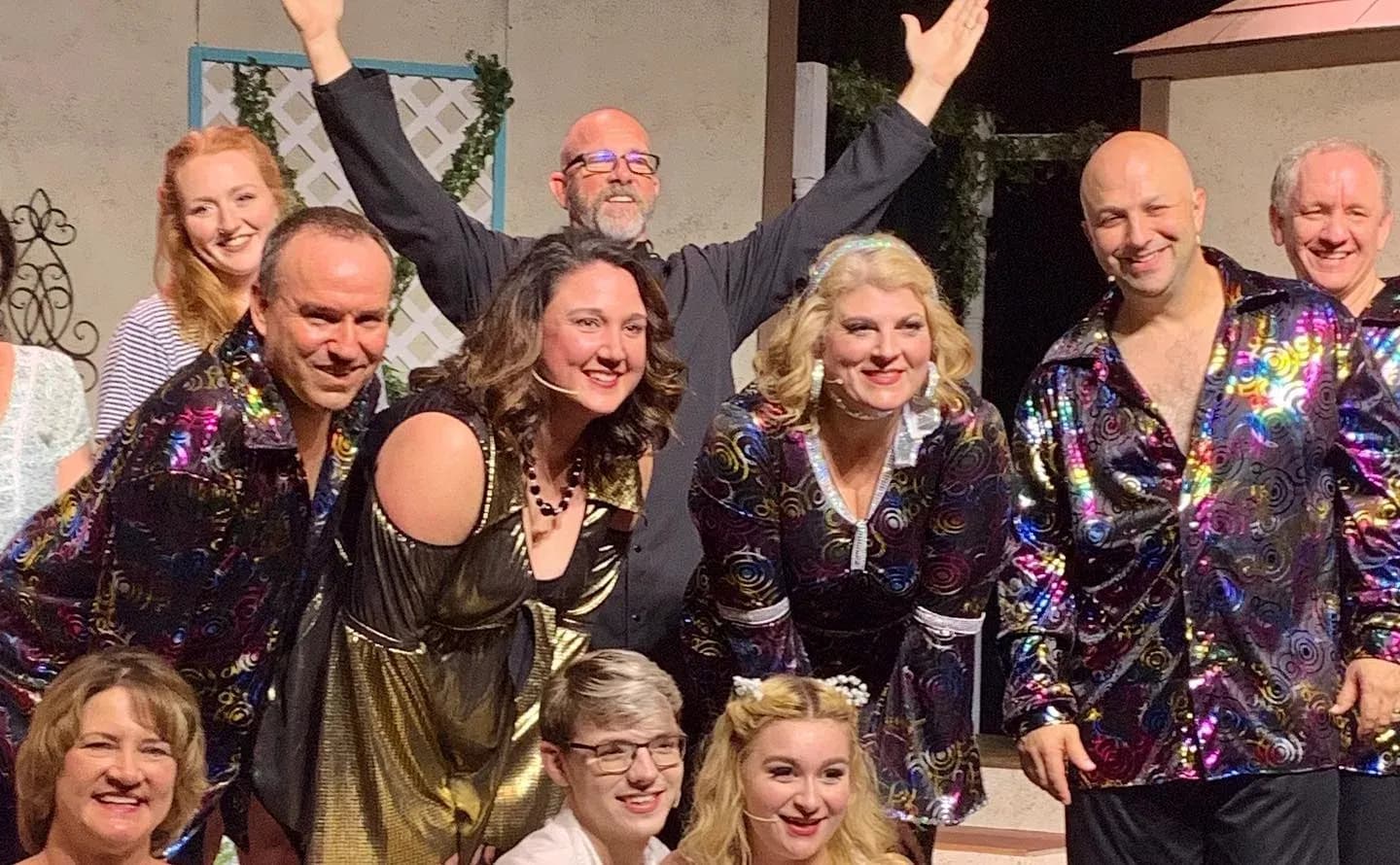
Judy Shealy is in that cast photo. I played Sweeney Todd opposite her at JSU in 2008 — she was Mrs. Lovett. Scott Whitney is in it too. We did A Christmas Story the Musical together at First United Methodist Church; he was the Old Man, I narrated. I didn't know they knew Jay.
Sterling ended up at Sinclair Social in downtown Anniston. Jay still shows up there too.
The Bloom Bar has been in a barn since the flower farm closed. Seven thousand dollars of custom floral installation, built for a season that ended too soon, waiting. On October 18, 2026, it becomes the centerpiece of The Aisle bridal show at Anniston Museums & Gardens.
Jay's civic work touched that building too. The years on the council, the years thinking about what the city had and how to use it differently. He was buying flowers from the farm the whole time the Bloom Bar was sitting in that barn.
He didn't know that either.




Responses