
There is a story we tell about Northeast Alabama, and like most of the stories we tell about ourselves, it is half true.
The story says the talent leaves. The bright kid graduates from Anniston or Oxford or Jacksonville, does well, and gets out. Atlanta. Birmingham. Nashville. Somewhere with more of whatever we are supposed to be short on. We say it at graduations and we say it at funerals, and we say it with a particular kind of pride wrapped around the grief, as if losing our best people were proof that we made them.
I know the story because I am partly in it. I have left this place and come back to it more than once. I know what the leaving feels like and I know what the returning costs.
But the story leaves out the other half. And the other half is the more interesting one.
The story says the talent leaves. It does not say the other thing, which is that talent also arrives.
The Half We Don't Tell
Talent also arrives here. It arrives from Jordan and the Philippines and Zimbabwe and a dozen other places, and it arrives at the least glamorous possible on-ramp, a regional state university in a small Alabama town, and some of it looks around at what we have and decides to stay.
Jacksonville State has been doing this quietly for a long time. Its International House program started in 1946, the year after the war ended, on the almost embarrassingly hopeful premise that if you put twenty American students and twenty international students under one roof and made them eat together and learn each other's languages, you might grow a few people who could hold the world in their heads without flinching. It is a small program in a small place. It has been changing the composition of this region, one roommate at a time, for eighty years.
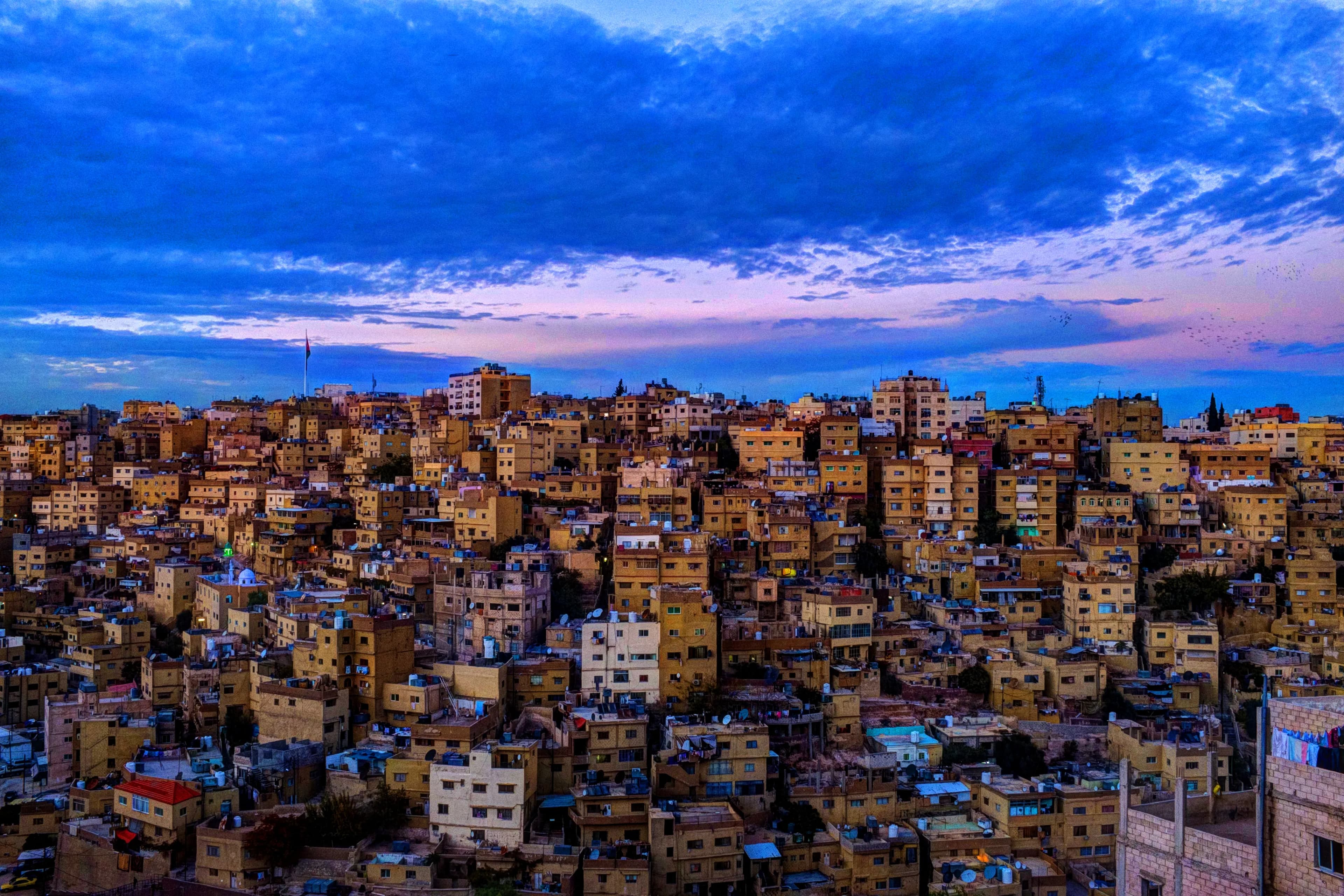
I keep meeting the results of that premise. A choir director from the Philippines who has taken JSU students to Carnegie Hall. A Methodist leader from Zimbabwe who now oversees the connective tissue of an entire conference. A young woman from Jordan who came up through Anniston High School, earned a computer science degree, stood at a symposium and explained how to teach a machine to recognize a human emotion, and then, instead of leaving, turned around and started teaching in the same schools that raised her.
None of them were born here. All of them are, now, part of what here means.
Who the Word Is For
The word "legend" carries some baggage in the South, and most of it is old. When we say Southern legend we tend to picture a certain cast. The country singer. The faith healer. The man who could hold a porch full of people with a story until the lightning bugs came out. Figures out of a past we half-remember and half-invented.
I love those figures. This whole project is, in part, a love letter to them. But if the word only ever points backward, it becomes a museum, and a region that only honors its dead is a region that has quietly decided it has no future worth naming.
A region that only honors its dead has quietly decided it has no future worth naming.
So here is the argument, plainly. The word is also for the ones who arrive. It is for the immigrant scholar and the woman in the computing lab and the teacher who chose to stay. It is for the people building the thing we will be, not just the people who built the thing we were.
The Corridor
Most of this happens along one stretch of road.
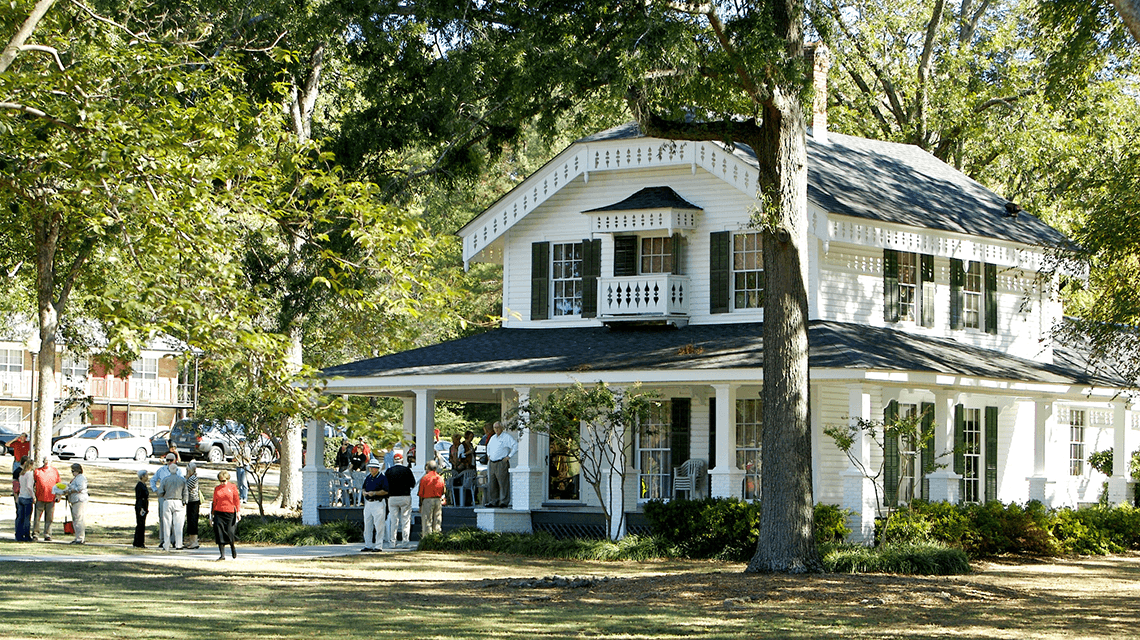
The Jacksonville-Anniston corridor is not much to look at if you are passing through. A university town on one end, an old industrial city on the other, some coffee shops and churches and a farmers market and a regional hospital strung between them. But it is a live wire. It is where a girl from Amman ends up teaching Alabama kids, where a hospital needs exactly the kind of computer science that a JSU undergraduate happens to be learning, where the global and the local rub up against each other in a Called Coffee booth on a Tuesday afternoon and neither one is diminished by it.
We are not a backwater that the world forgot. We are a place the world keeps arriving in. The only question is whether we will have the imagination to call the arrivals ours.
I think we should. I think the porch is big enough. I think the word is bigger than we have been using it, and I think the people who prove it are already here, already teaching our children, already building the seam where this region's future gets made.
They came from somewhere else. They stayed. That is the most Southern thing I can think of.
This essay accompanies the Southern Legends profile of Aseel Mustafa, who came from Jordan and teaches in Anniston. For more on the diaspora frame, see the profile of Matt Headley; for the places named here, see Jacksonville and Anniston.




Responses