It's the kind of place that feels invisible from Highway 431, tucked at the end of a winding road through the pines of Lagarde Park, with a digital sign out front and everything, yet most people still miss it if they're not paying attention. I've lived in Calhoun County for most of my life, and I watched people drive past this place (and did the same myself) every day on their way up and down Hwy 431. Many of them have no idea what's inside. I didn't either, until the first time someone dragged me through the doors when I was a kid.
Not What You Expect
The Anniston Museum of Natural History doesn't look like it belongs here. I don't mean that as a knock on Anniston. The collection inside rivals institutions in cities ten times this size, and nothing about the building from the outside prepares you for it.
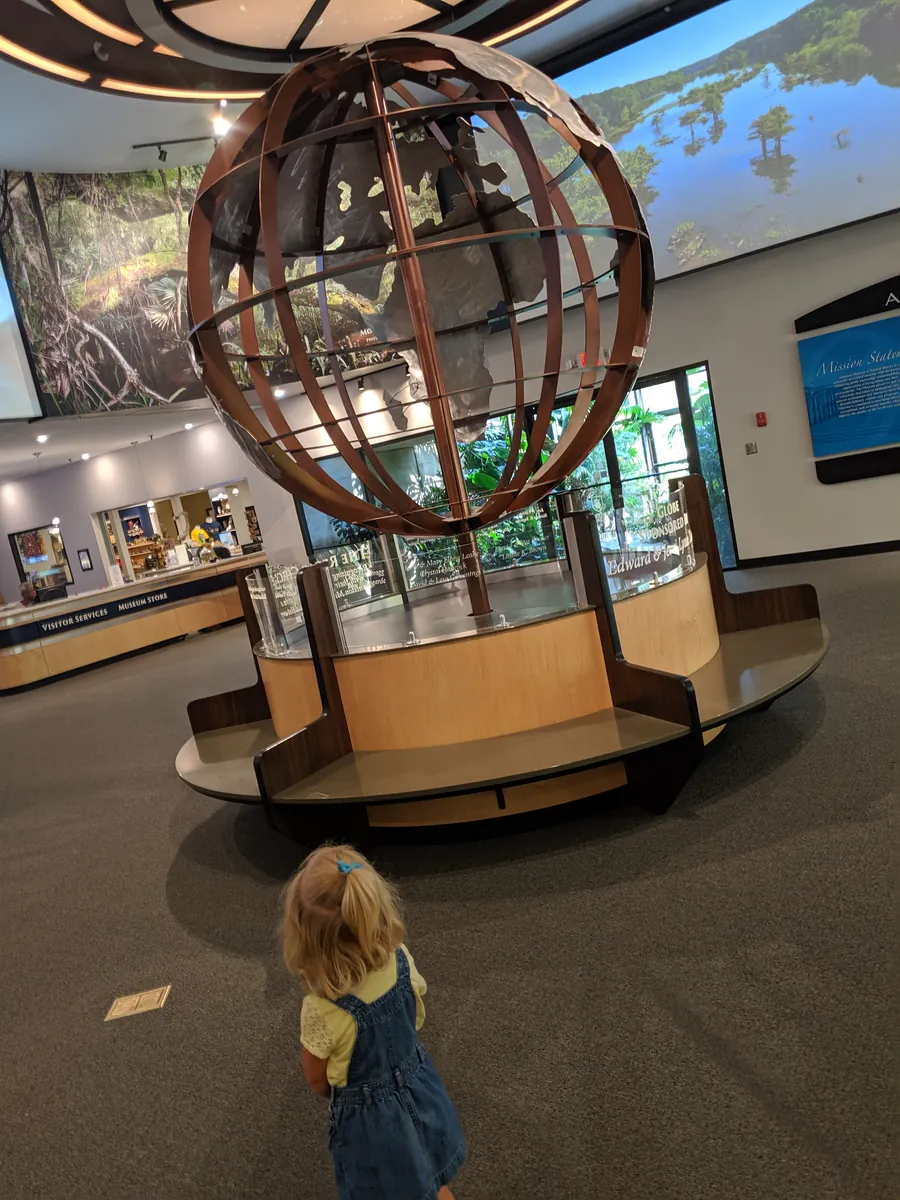
The centerpiece is a series of seven immersive habitat dioramas spanning every continent. African savanna. North American forest. Arctic tundra. Each one built at full scale, with taxidermied specimens set into hand-painted landscapes that blur the line between exhibit and window. I've been through museums in much bigger cities that don't have anything close to this.
Then there's the Egyptian mummy gallery, which tends to catch people off guard. A real human mummy and artifacts, housed in a quiet room that feels like it was airlifted from a much larger institution. People walk in expecting a county museum. They walk out wondering why nobody told them about this place sooner.
People walk in expecting a county museum. They walk out wondering why nobody told them about this place sooner.
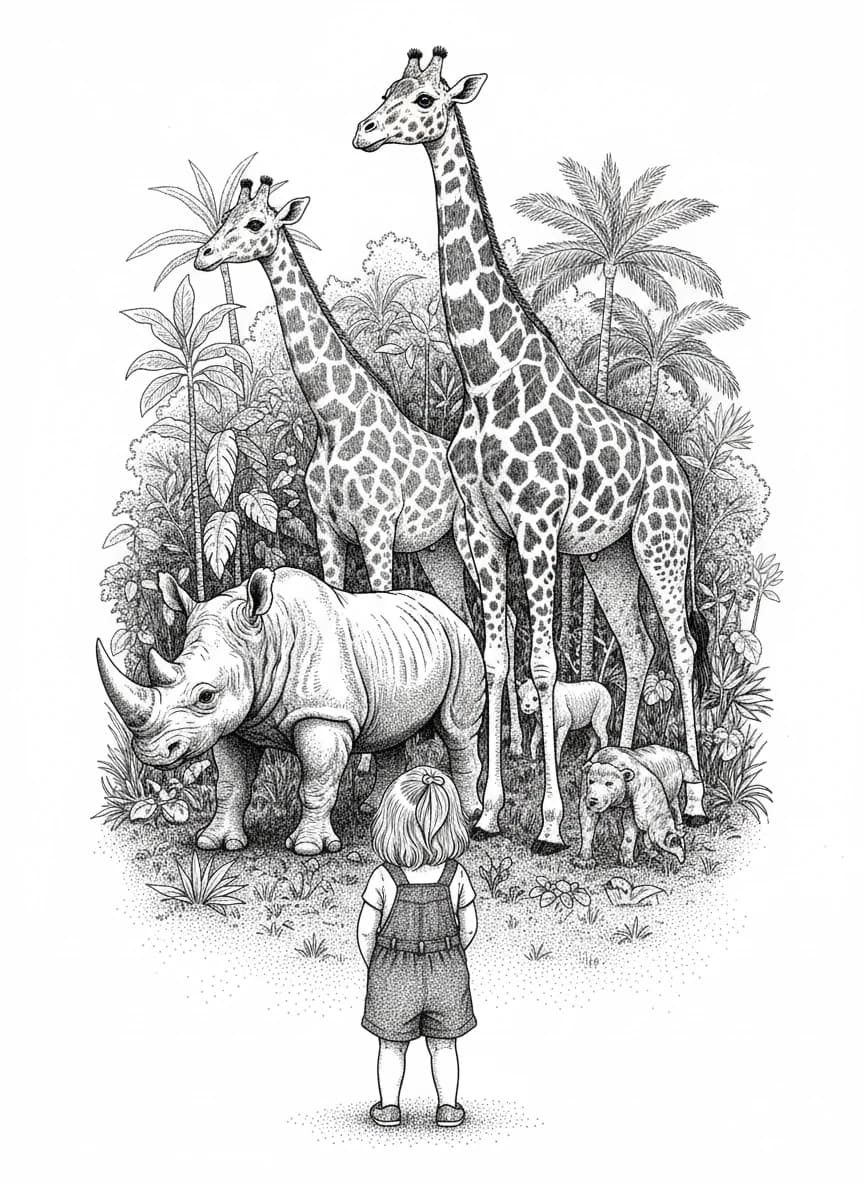
The Dynamic Earth exhibit takes you underground, through a simulated cave system and into geological time, with minerals, fossils, and enough hands-on stations to keep kids engaged for an hour without a single screen. And down the road, there's another museum entirely, one with a story so unlikely it deserves its own section.
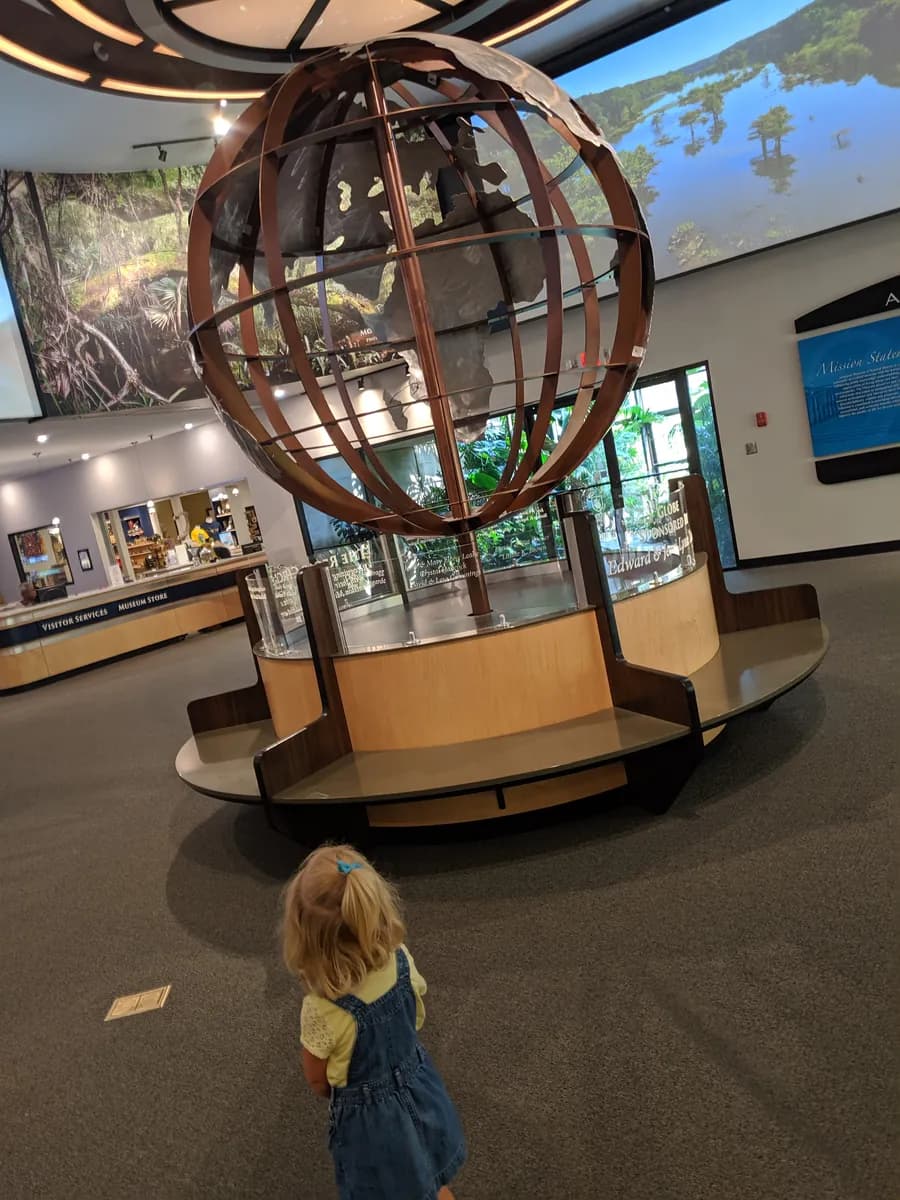
The Spy Museum Nextdoor
And then there's the Berman.
The Berman Museum of World History sits next door to the natural history museum, and if the dioramas didn't already convince you this place is something special, the Berman will finish the job.
I went down a rabbit hole reading about the Bermans, and the story is even wilder than I expected. The short version: Farley Berman grew up in Anniston, got a law degree from Emory, and enlisted in the Army after Pearl Harbor. He spent most of the war in military intelligence. While stationed in North Africa, he met Germaine, a member of French intelligence. They spied on each other before they fell for each other. They married in 1945. The Anniston Star later called Farley "Anniston's James Bond," and honestly, that undersells it.
After the war, the Bermans spent decades traveling the globe, buying from auction houses, dealers, and flea markets, assembling a collection of more than 6,000 pieces of art, weapons, armor, and historical artifacts. In 1992, they donated a portion of it to the city with a simple ask: build a place where people can learn history through the objects. The museum opened in 1996. When Farley died in 1999, the family donated everything.
They spied on each other before they fell for each other. Then they spent the rest of their lives collecting the world and bringing it back to Anniston.
The collection is wild: spy weapons that reflect Farley's intelligence career (a flute that shoots bullets, a cough drop tin hiding a gun, a pen that fires poison gas), artifacts that belonged to Napoleon, Hitler's personal silver tea service, a life-size WWI trench recreation. All of it real. All of it in Anniston.
You can walk through the whole thing in an hour or two, but you won't stop thinking about it for a while. Two spies fell in love, traveled the world, and gave everything they found to the town where one of them grew up.
The Gardens
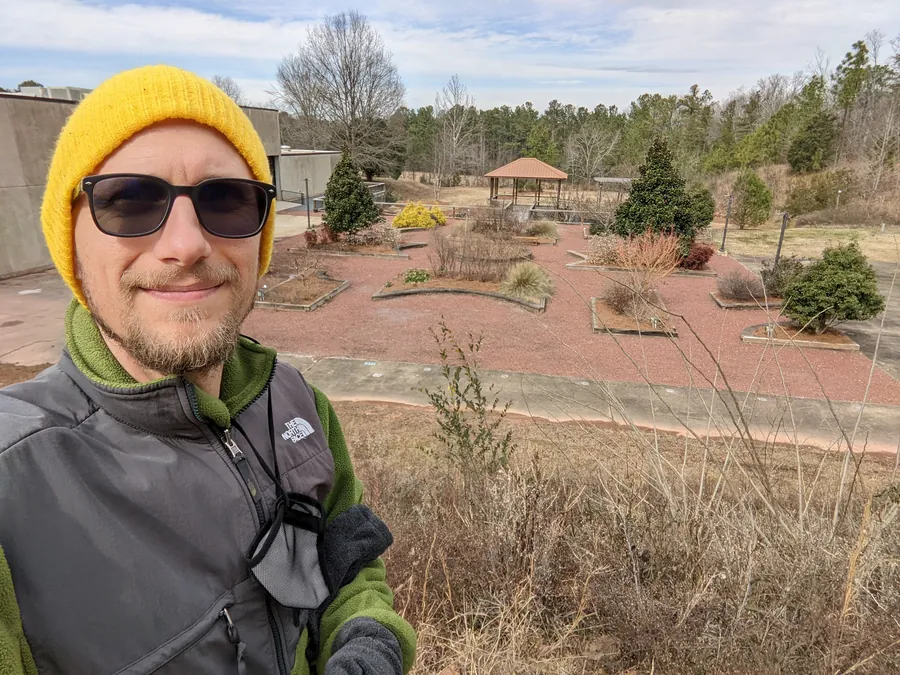
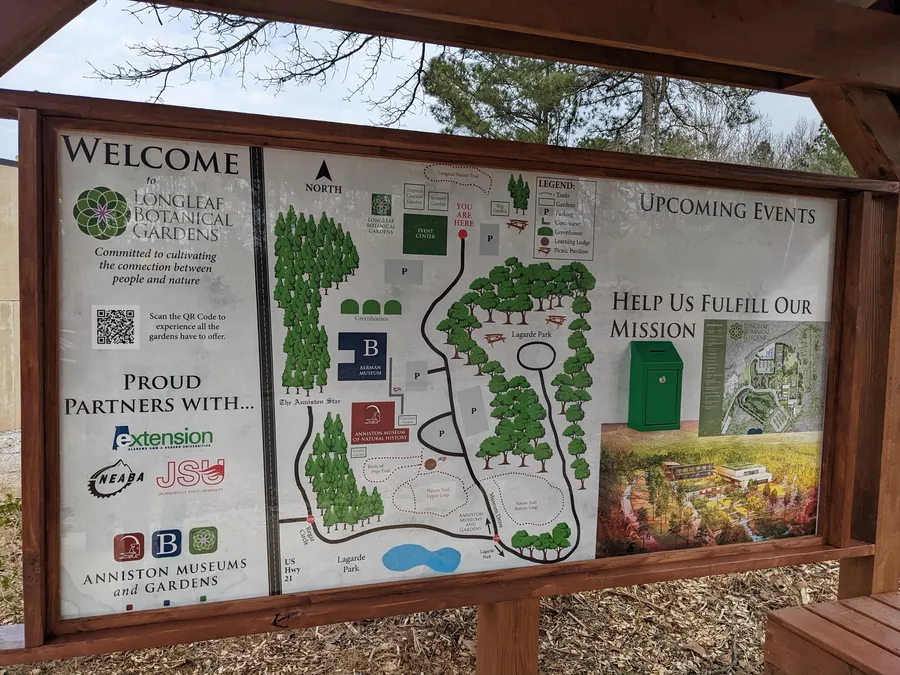
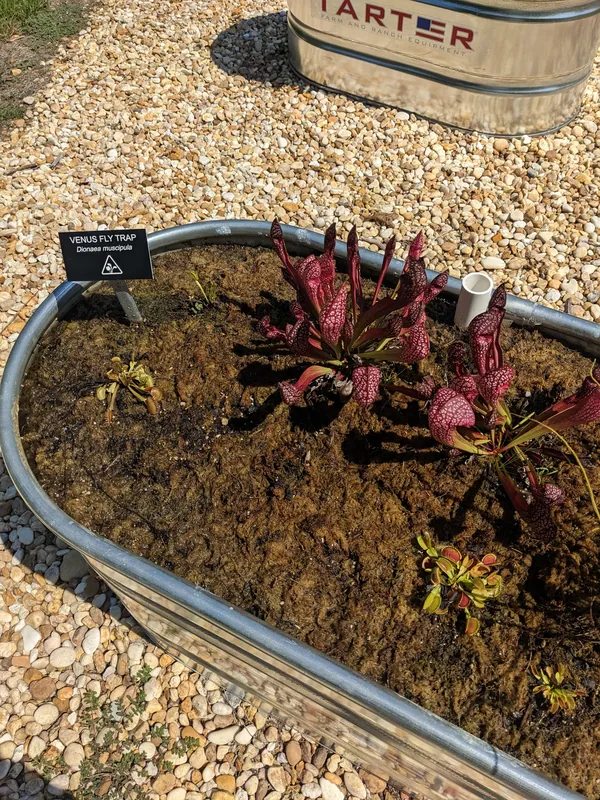
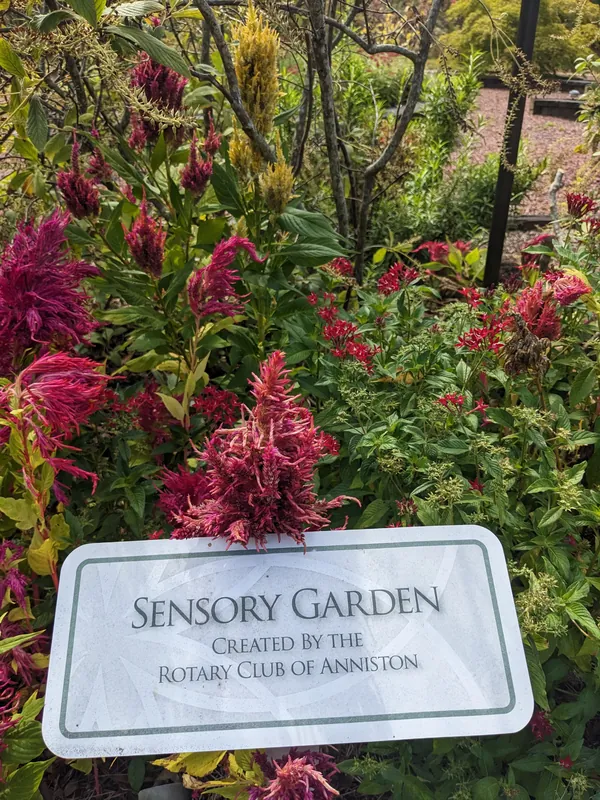
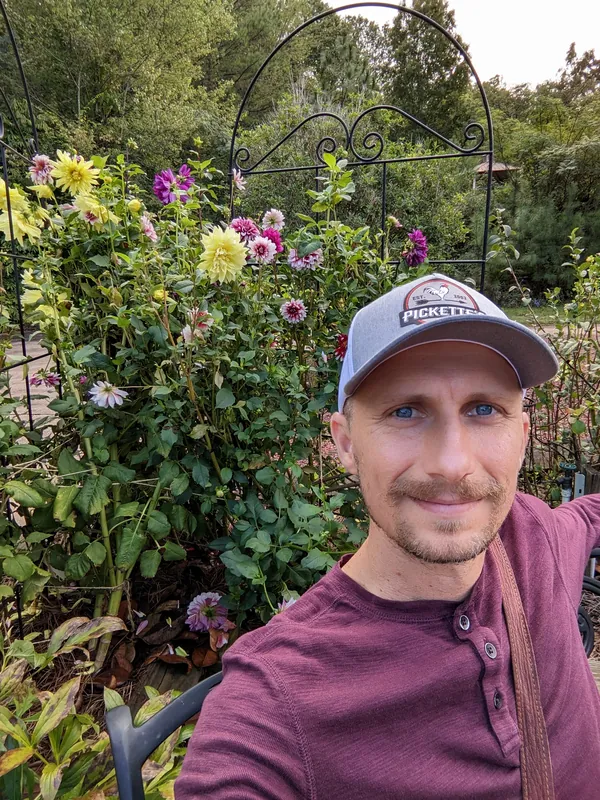
Longleaf Botanical Gardens sits next door, connected to the museum campus but it feels completely different. Where the museum is dense and curated, the gardens are open and unhurried. Fifteen acres of walking trails and open meadow spread across the hillside. It's mostly native plants: longleaf pine, oakleaf hydrangea, native azaleas, ferns and wildflowers that shift with the seasons.
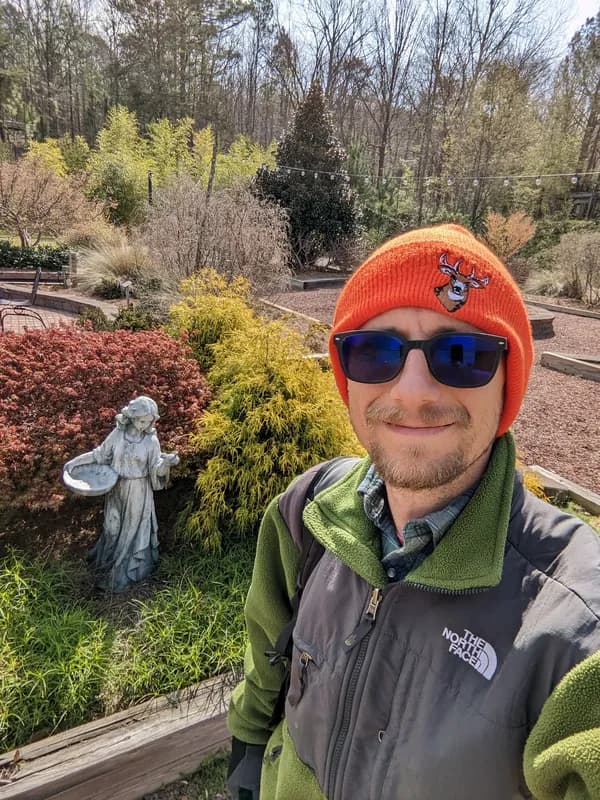
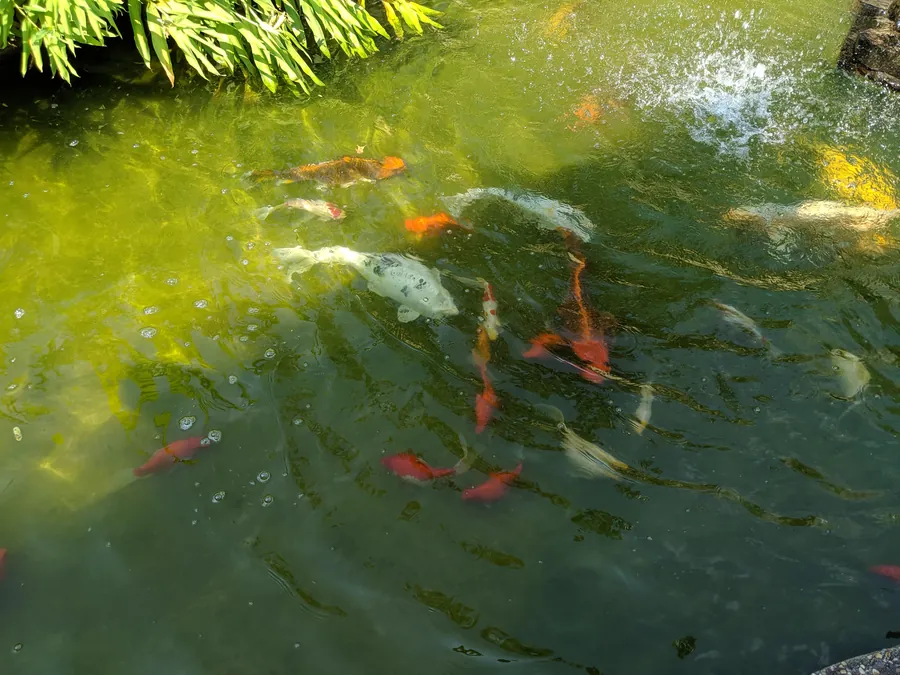
And then there's the event center, up the hill past both museums, just past the greenhouses. It's beautifully renovated poolhouse with an outdoor garden behind it. The garden used to be the community swimming pool that shut down sometime in the nineties. My wife used to go there as a kid to swim. Now where the pool used to be, there are raised garden beds, benches, a waterfall, and a gazebo, with Edison lights and a dance floor out back. It's one of those transformations that only works because someone saw what the space could be instead of what it was.
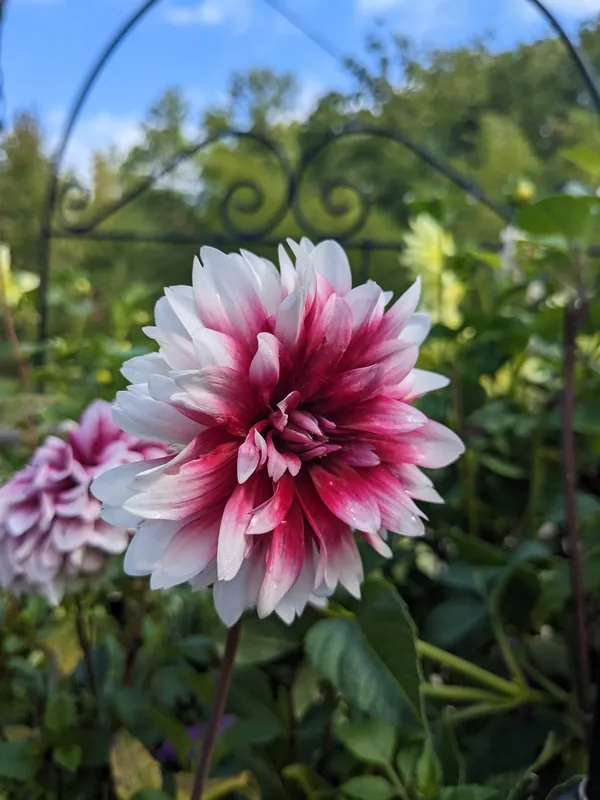
Most people don't find Longleaf on their first visit to the campus. But the ones who do tend to come back just for it.
Around the Campus
Why It Matters
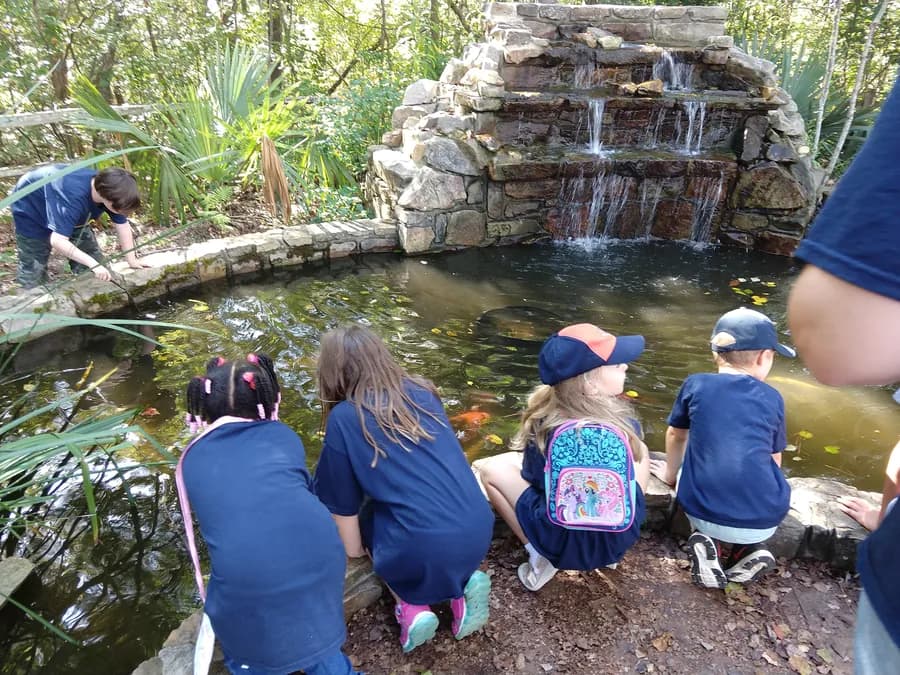
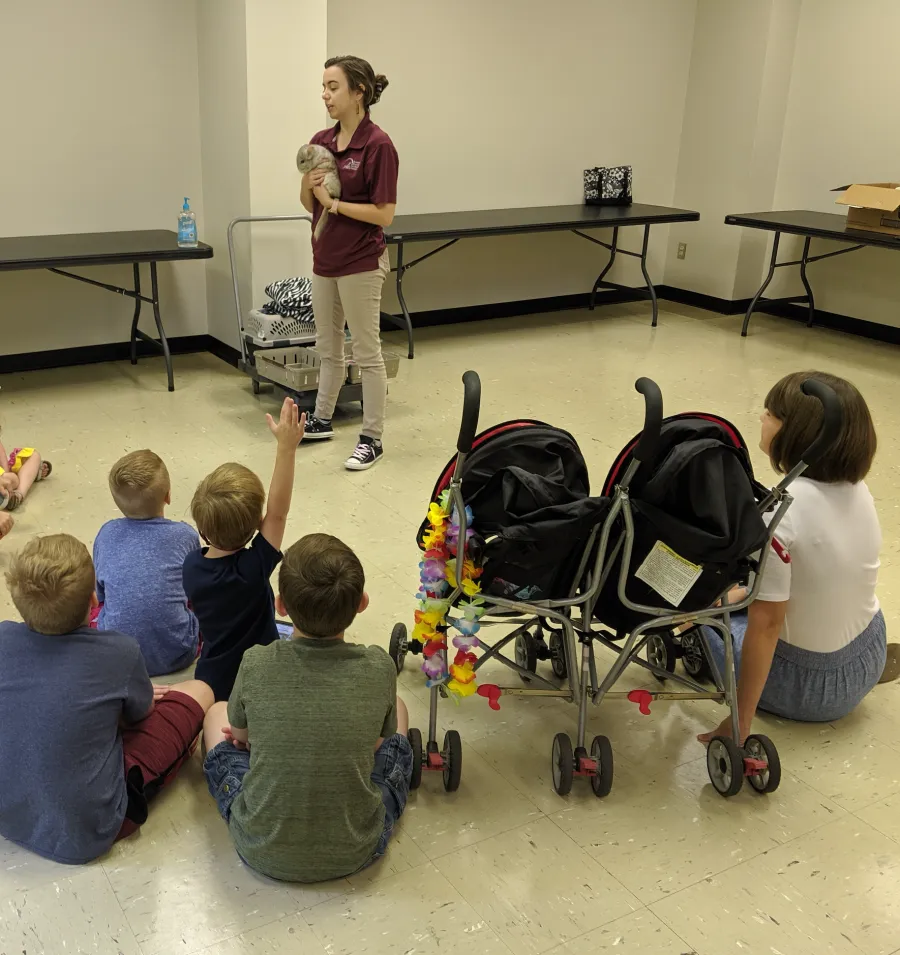
The campus is more than a place to visit. I've come here for years just to walk the trails, write, pray, and think. A lot of the sermons I preached over the years were written somewhere on this campus. It shows up on the local calendar all year: the Raptor Run 5K, Museum Day, the Heritage Festival (46 years running), weddings, proms, banquets. My wife works there now as the program manager — she came to the job from the flower farm on the Chief Ladiga Trail — and watching her coordinate events and think through how to make the campus accessible and memorable, you can see the work that goes into keeping a place like this alive.
Anniston is a small city that's been through economic cycles, population loss, and the kind of slow erosion that hits a lot of towns in this part of the state. The museum campus is a counterargument. It earns its reputation one visit at a time, the slow accumulation of moments where someone rounds a corner, sees something they didn't expect, and thinks: this has been here the whole time?
It has. And it's still here. A couple hundred yards off the highway, sign out front and everything. If you haven't been, go. You'll wish someone had told you sooner.
The Aisle — a bridal expo for Eastern Alabama couples — is here October 18, 2026. theaisle.app






Responses