
Listen to this essay
 Bridal ShowThe Aisle Bridal Show · Sunday, Feb 21 · Silver Run Chapel, Munford · theaislebridalshows.comRegister free →
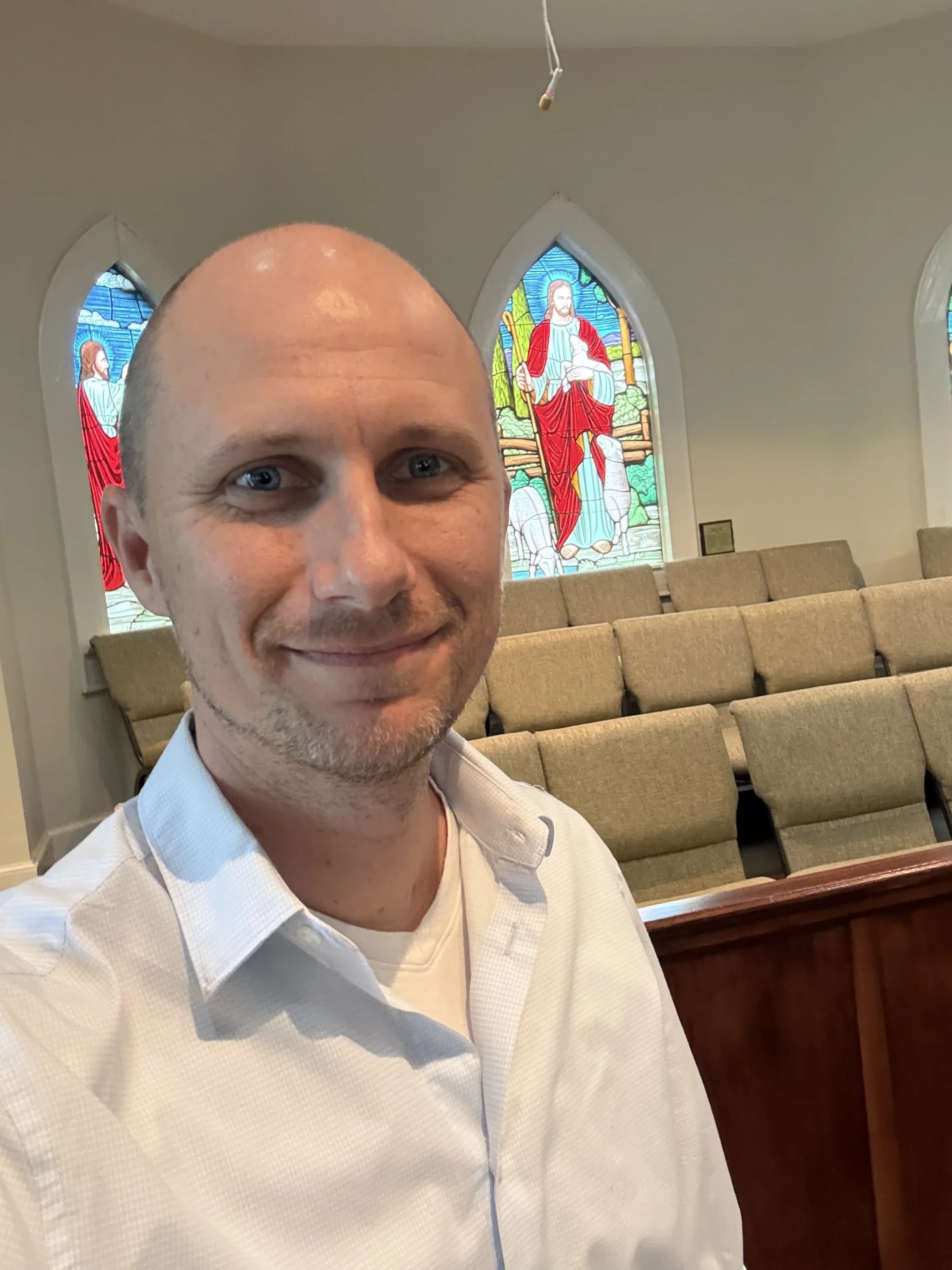
The Sunday afternoon sun was hitting the dashboard as I drove home from church—my first time back in the pulpit in twelve months after the AI-induced psychosis episode that sidelined me. My heart was still racing, but not just from the sermon. I had shared a post about my SermonCoach tool, and the comments were coming in like a storm—a flurry of responses, mostly combative, a few supportive, all demanding my attention. I had to pull over to the side of the road, the urge to fire back at the keyboard almost magnetic.
After getting home and grabbing some lunch, I spent time typing out more responses, caught in the cycle of emotional stimulation.
Then, the phone rang. It was Wade Allen—a mentor and clergy friend I hadn't spoken with in three years, our lives buried under the relentless weight of ministry and family responsibilities.
I stepped out for a walk as we started our hour-long conversation. It was filled with surprises and laughter. We joked about Wade's reclusive approach to social media—he pops up once every six months to share that his daughter got married, then vanishes—and I talked about my own re-engagement with it after a long season of willful invisibility.
As I walked down the road in Pleasant Valley, laughing at the absurdity of the polarized social media culture that the vast majority of people find themselves embedded in every day, the physical reality of the air and the quiet space began to settle the agitation in my chest.
That's when I realized the "Let Them" theory applies to me, too.
When I'm in those Facebook threads, I try to "let them" be angry, "let them" be wrong, and "let them" be exactly who they are. But the deeper practice is to "let" myself be, too. I have to let my heart race. I have to let myself feel the defensiveness. I have to let the ego flare up without letting it take the wheel.
If I can treat the visceral, heart-pounding sensation of a digital dogpile as a somatic experience rather than a command to strike back, I'm building strength. The contemplative tradition has a name for this: the Welcoming Prayer, as Thomas Keating and the centering prayer movement taught it — consenting to God's presence and action in the middle of the physical sensation rather than fleeing it. The loving-kindness practice does something similar, turning even the most polarizing commenter into a human being trying to be understood.
I am turning the inflammatory, polarized landscape of our digital life into a gym for the soul. I am not trying to fix the commenters; I am trying to remain present in my own body while the storm rages on the screen.
When I stood in the pulpit at Jacksonville First two days ago and spoke about the necessity of letting the seed die, I didn't fully realize how that would play out in my inbox. It turns out, letting the seed die isn't just a metaphor for a massive life crisis; it is a micro-practice I perform every time I refrain from arguing in a comments section.
This practice of "letting"—letting the heart race, letting the ego flare, and letting the digital noise happen—is exactly the kind of emotional regulation I am trying to build into the SermonCoach workflow. It's not just about drafting a sermon; it's about preparing the vessel that delivers it.
The notification dings, the urge to type a response surges, and I take a breath. I let the heart rate spike, I feel the adrenaline, and then I keep walking. The screen turns off, but the capacity to stay centered in the middle of the noise remains.
Read the transcript
Transcript
From the Appalachian foothills of Northeast Alabama, this is Southern Legends. Profiles of the people still building here. I'm Matt Headley. Welcome to the podcast.
I just got out for my morning walk to get morning light and took a five-minute run. Been doing that for a couple days and it feels good to start running again. Just breathing. Being in my body for a few minutes, listening to birds.
So last Sunday I preached for the first time in 12 months. It was the first time back in a pulpit since an AI-induced psychosis episode took me completely offline. And on the drive home, my heart's still racing. I made the mistake of checking my iPhone. I posted something about a tool I'm building called Sermon Coach, and the comments were flying in fast — mostly combative, a few supportive, and all of them felt like they were demanding my attention. So I pulled over on Pleasant Valley Road, and the urge to fire back was almost magnetic.
Then my phone rang. It was Wade — my friend, clergy, and mentor. We hadn't spoken in two or three years. I stepped out of the car and started walking. We talked for about an hour and laughed a lot. And somewhere on that road in Pleasant Valley, my chest started to settle.
That's when I realized something. There's a theory called "Let Them" by Mel Robbins. The basic idea is you let people be who they are — let them be angry, let them be wrong, let them do what they're going to do. But the deeper practice, the one I'd been missing, is letting myself be. Let the heart race. Let the defensiveness come up. Let the ego flare up. Just don't let it take the wheel.
Something I learned a few years ago is that the contemplative tradition has a name for this — the Welcoming Prayer. Thomas Keating was the instigator, part of the Centering Prayer movement. It's basically just allowing, consenting to what's happening in your body instead of fighting it or running from it.
So I thought: what if I treated every angry comment like a workout? Not trying to fix the commenters, not trying to win — just trying to stay present in my own body while the storm rages on the screen. The notification dings, the urge surges, my heart starts pounding. Take a breath. Feel it. Allow it. The screen turns off. But the capacity to stay centered — that remains.
I'm Matt Headley. Thanks for listening to Southern Legends. Y'all take care.






Responses