
 Bridal ShowThe Aisle Bridal Show · Sunday, Feb 21 · Silver Run Chapel, Munford · theaislebridalshows.comRegister free →
I'm building a wedding expo.
That's the confession before anything else. Forty vendors. A fashion show. A food truck row on what used to be a community swimming pool, in a museum garden in Anniston. I am, in some technical sense, the wedding industrial complex.
I read Brad East's piece in Christianity Today last week. He's a theology professor in Texas. He knows the critique — the debt, the expectation, parents going broke over one Saturday. He knows it and mostly agrees with it.
But he musters one or two cheers anyway.
His best line is about permission. The industry, for all its faults, gives people permission to want to get married. In a culture that has spent two decades talking young people out of it — too expensive, too risky, too much of a commitment before you've figured out your career — the wedding industry is one of the few places still saying: this is worth wanting. Worth doing in grand style.
I read that and felt something complicated.
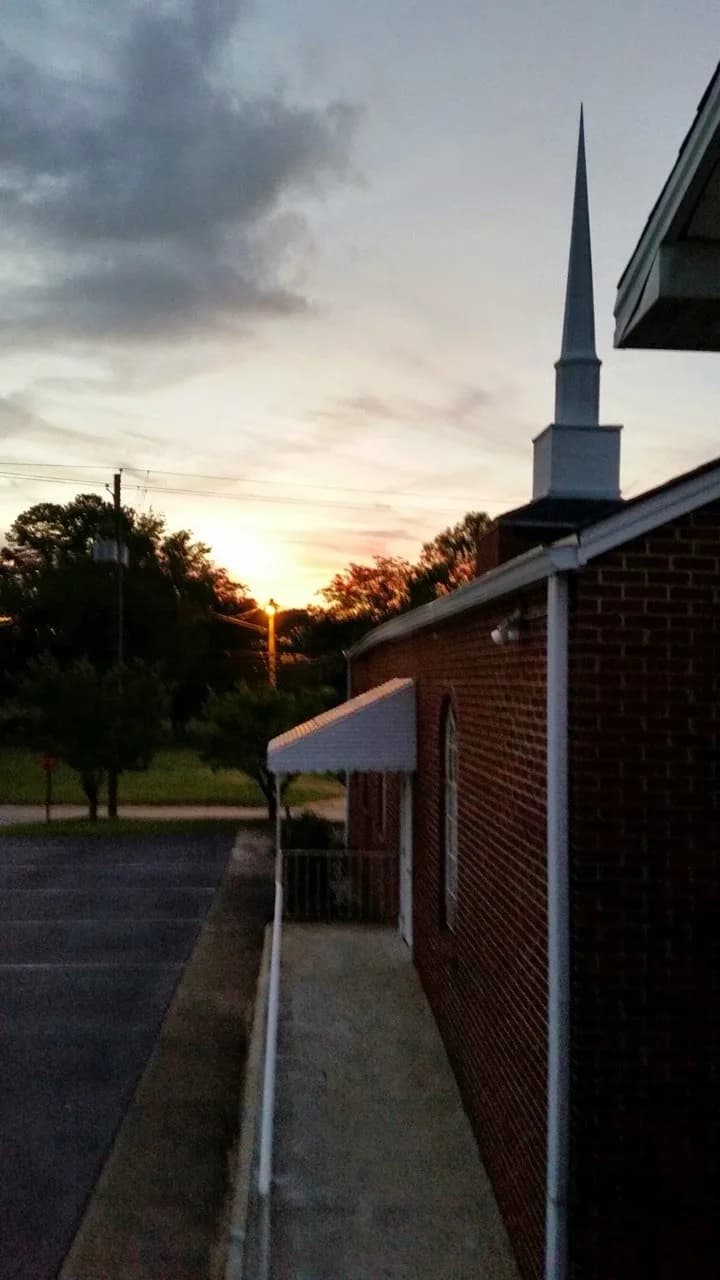
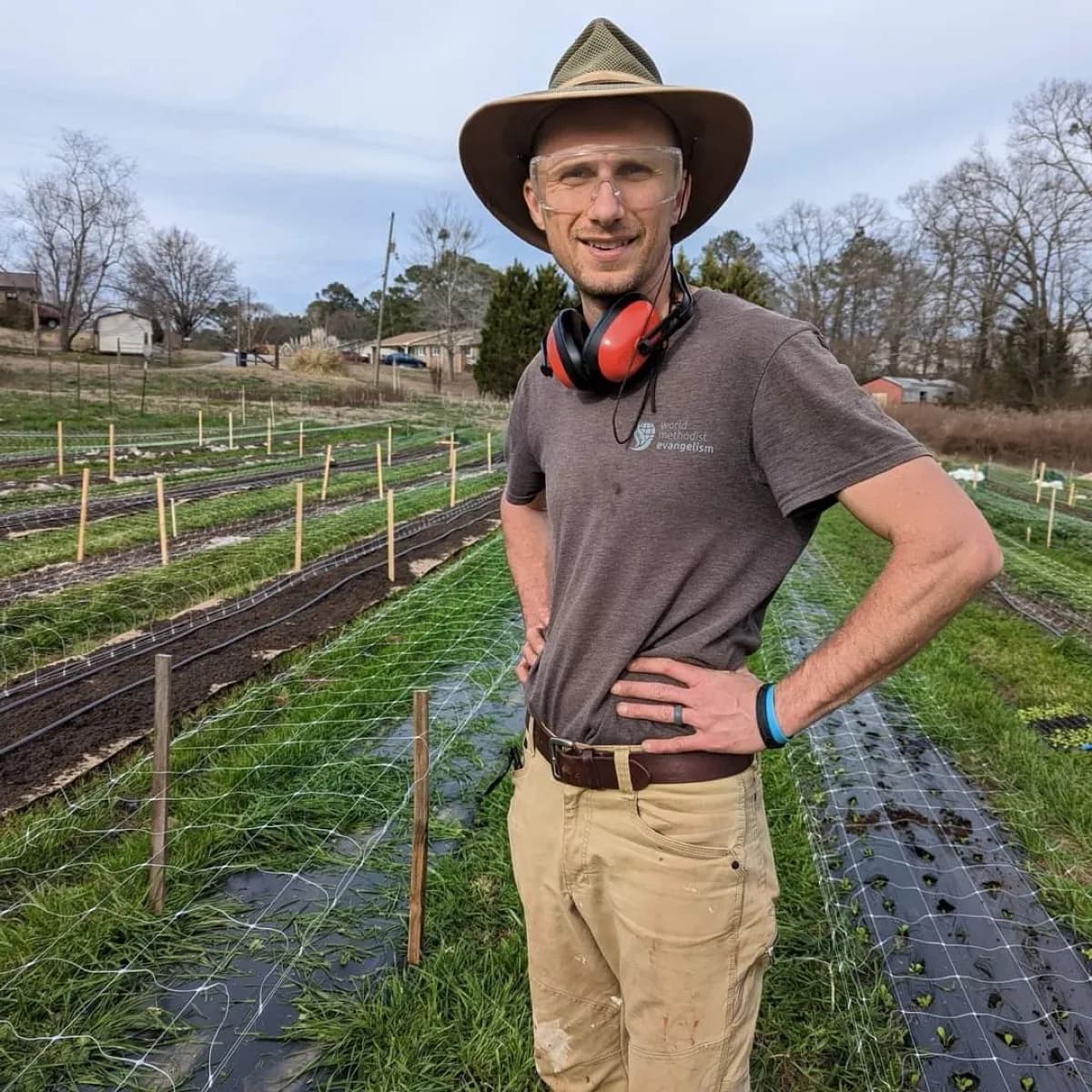
I served at Weaver First United Methodist Church for seven years. When East writes about the church ladies who arranged the decorations — the ones who changed your diapers and tied bows on the pews — he's writing about women I knew by name. Candy, who held the building. Evelyn, who held the table. I wrote about them already, here, so I won't tell it twice.
What East can't quite see from the outside is what was holding those women up.
It wasn't just that Candy showed up or Evelyn organized the casseroles. The congregation was behind them. Not just helping with the chairs — deciding, together, that this marriage mattered to everyone in the room. That a death in the community was everyone's loss. That they had a stake in each other's lives.
That's what makes the casserole different from DoorDash. Not the food. The decision behind it.
When that starts to go — when people stop going to church, or start going somewhere they don't know anyone, or start planning weddings without any community attached to them at all — someone fills the space. Photographers. Planners. Florists with professional websites. Expos like the one I'm putting together.
They fill it imperfectly. So did the church ladies, honestly. Candy could tell you about marriages she watched fall apart. She'd prayed over some of those couples at 6:15 in the morning too.
But East is right that the pressure still matters. Someone has to keep saying this day is worth the money. Worth the preparation. Worth marking in public, in front of people who will remember it.
That's the one cheer I can manage. Not cheaper. Not simpler. Not better Instagram than the other expo. Just still connected to what the day is actually for.
East ends his piece with a line I wrote down.
The world may mean it for ill, but God means it for good.
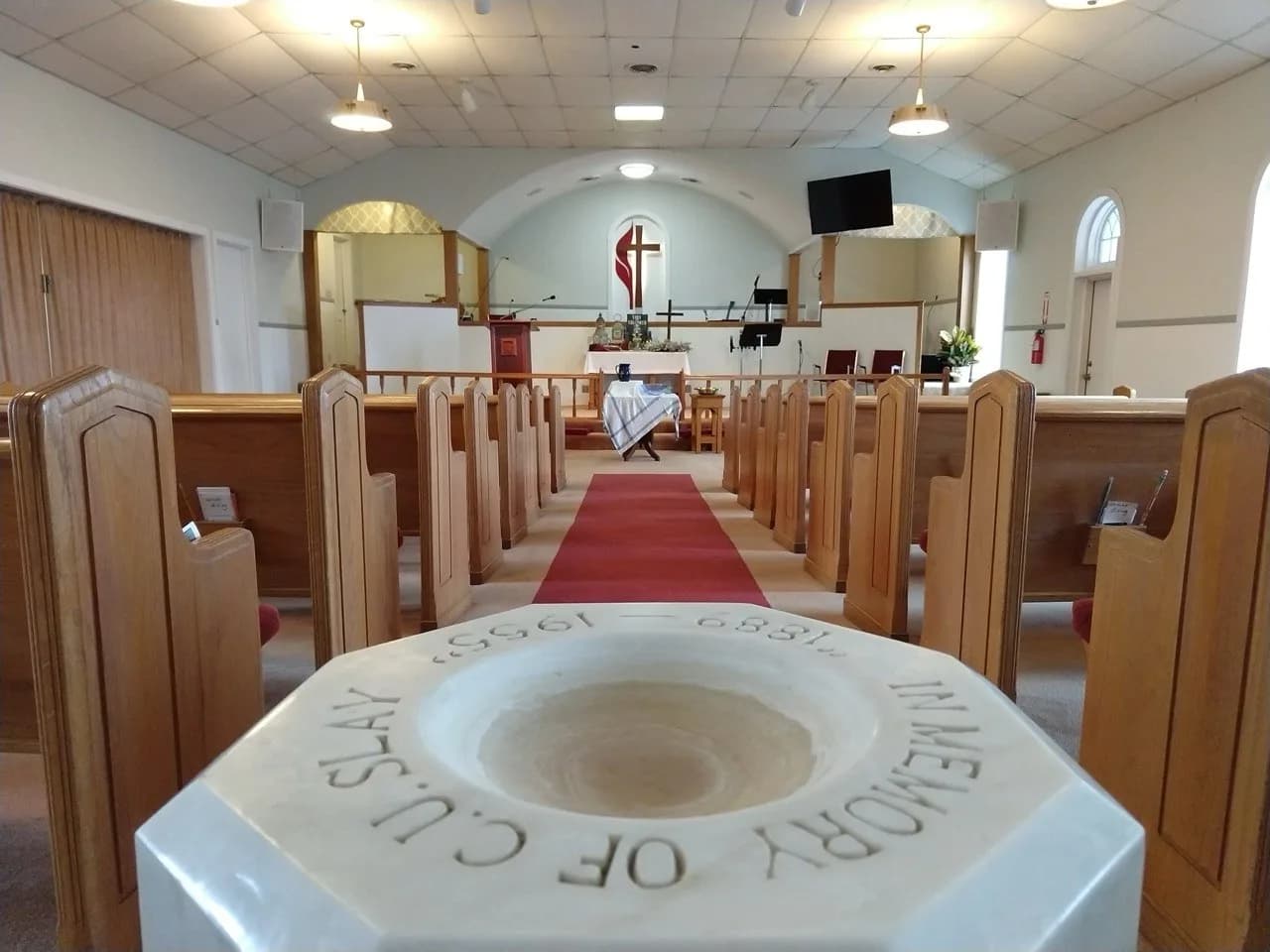
Her name was Anna Allison. She ran the senior center in town. They called me the week of the wedding. Small group. No program. She married Jim Allison in that sanctuary.
They both knew at the time he had cancer.
She married him anyway.
That's the thing the machine can't sell you and the church ladies couldn't guarantee. The willingness to stand up in front of people and choose it anyway. All the vendors in the county can do is help you set the room. Someone still has to say the vow.
I built the expo I keep confessing to. If you want the rest of why — the one about walking with a limp. It's at theaisle.app if you're getting married in this county.

Responses