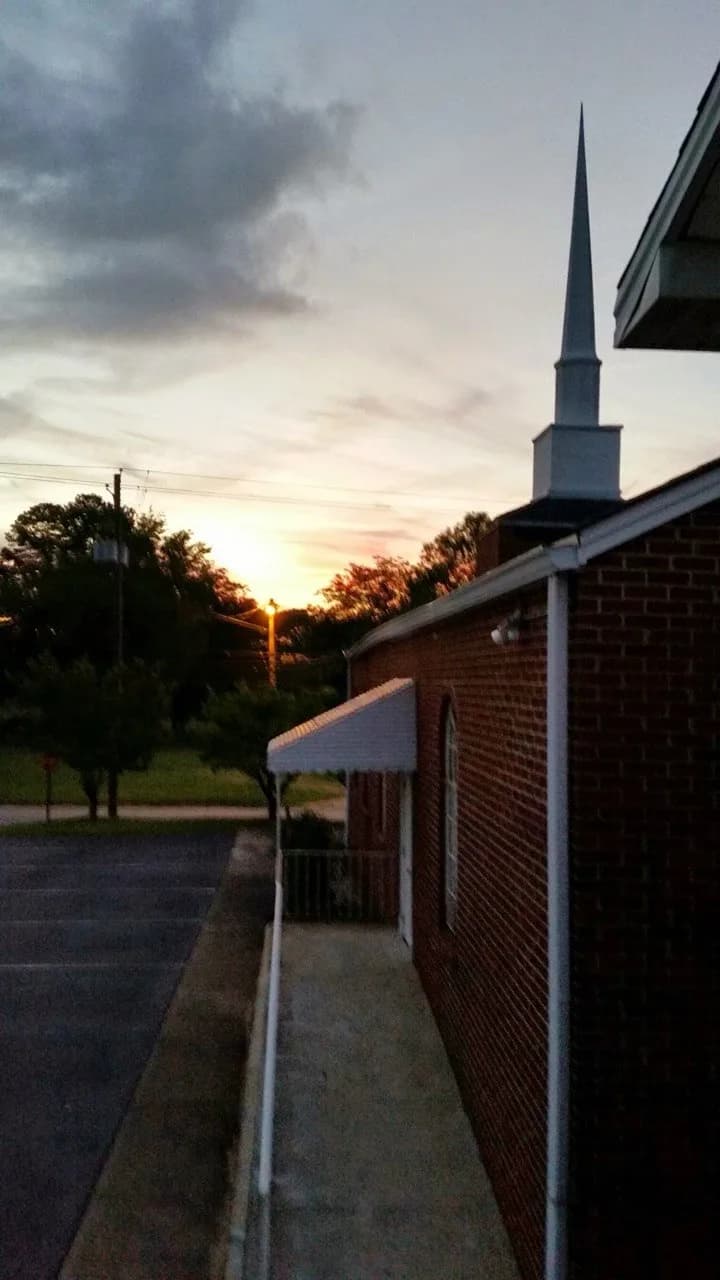
I served at Weaver First United Methodist Church for seven years. Candy Sefcik was the trustee chair. She sat near the front, came early, stayed late, and knew things about the building that nobody else knew — which door stuck in the summer, which outlet needed a different breaker, where the folding tables were actually stored versus where they were supposed to be stored.
She called me once to report that someone had painted on the altar table. She'd already cleaned it up. She said we should give thanks for the diversity it represented.
She prayed scripture with me at 6:15 in the morning. Not every week. Every day.
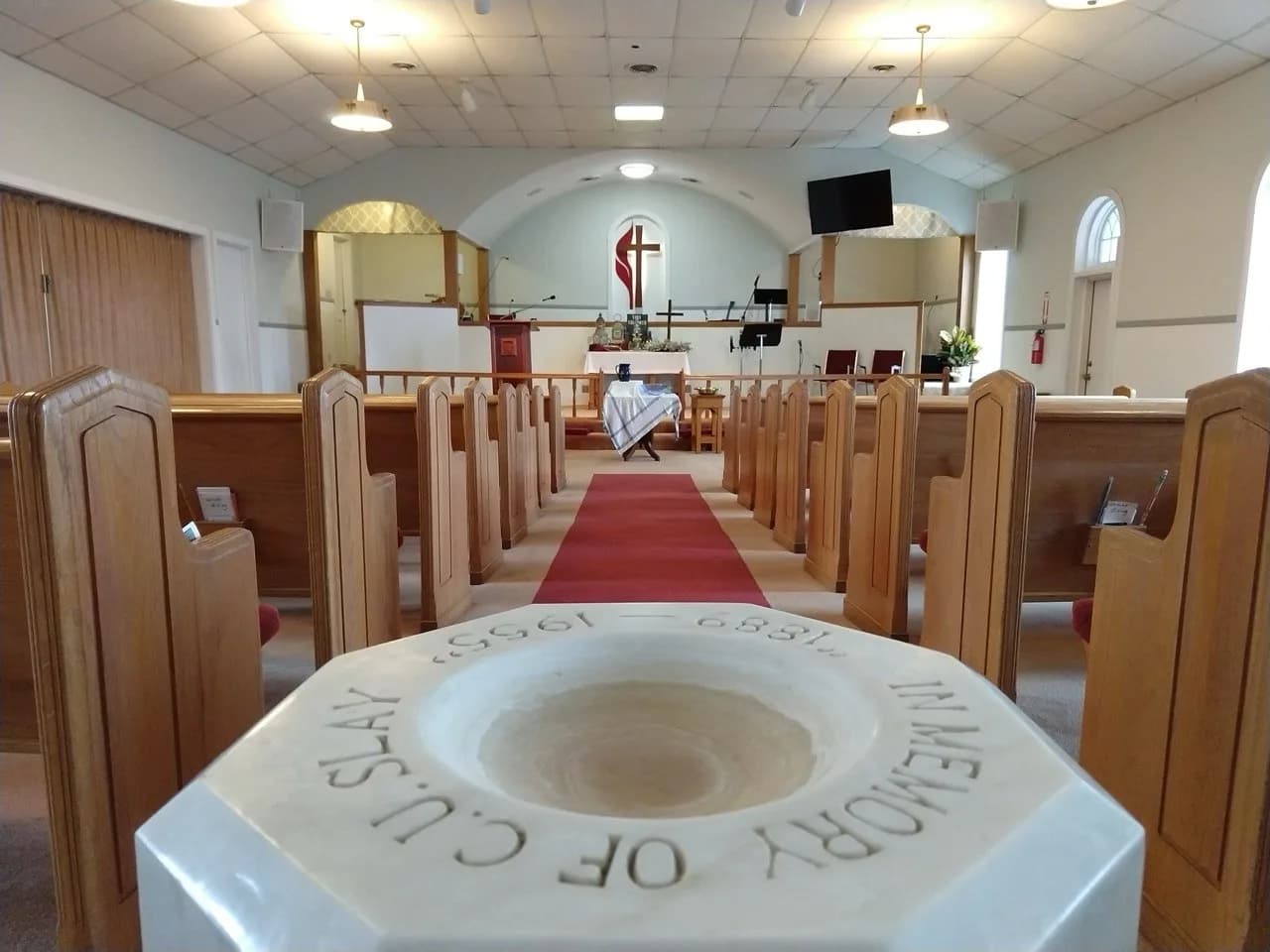
Then there was Evelyn Thompson.
Evelyn organized the meals. After every Sunday service, after every funeral connected to the church, whenever somebody in the congregation lost a job or a parent or a pregnancy, Evelyn was the one who made sure there was food. The July community meal was weeks away and she was already working on the menu. Hamburgers, hotdogs, sides. Nobody had asked her to start yet. She just had.
She kept the list in her head. She didn't need a spreadsheet.
A theology professor named Brad East wrote a piece last year about the wedding industrial complex. He gave it one or two cheers. His argument: for all its excesses, it's one of the few remaining cultural institutions still exerting pressure on people to get married. It provides, he said, permission to want to be married.
I thought about Candy and Evelyn when I read that.
What they were doing wasn't decoration. The congregation was behind them. Deciding, together, that a marriage mattered to everyone in the room. That a death in the community was everyone's loss. That they had a stake in each other's lives.
That's what makes the casserole different from DoorDash. Not the food. The decision behind it.
When that starts to go — when people stop going to church, or start going somewhere they don't know anyone, or start planning weddings without any community attached to them — someone fills the space. Photographers. Planners. Florists with professional websites.
They fill it imperfectly. So did the church ladies, honestly. Candy could tell you about marriages she watched fall apart. She'd prayed over some of those couples at 6:15am too.
One of the weddings I officiated at Weaver was for a woman who ran the senior center in town. Her name was Anna Warren. They called me the week of the wedding — December 2015. Small group. No program. She married Jim Allison in that sanctuary.
They both knew at the time he had cancer.
She married him anyway.
I've been thinking about Candy and Evelyn a lot lately. I'm building a wedding expo in Anniston — The Aisle, October 18 at Anniston Museums and Gardens. It's not the same thing they were doing. But it's trying to remember what they knew.

Responses