I mailed Wendell Berry a letter last week. He is ninety-one years old and still on the farm in Henry County, Kentucky. I am a flower farmer in Calhoun County, Alabama.
I do not expect a reply. He is ninety-one years old and, as far as I can tell, has spent his entire life not feeling obligated to reply to things. His farm is still there. His fence rows are still there. He has been working them for sixty years. He does not owe me a letter.
I am publishing the letter here because it is honest and because that is enough.
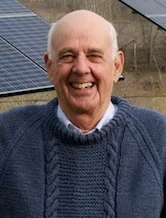
Wendell Berry. Photo: On Being / CC BY-NC-SA 2.0
Dear Mr. Berry,
My name is Matt Headley. I am a flower farmer in Calhoun County, Alabama. I used to be a pastor. I am not sure which occupation I was better at, but I am more sure about what I learned from the farming.
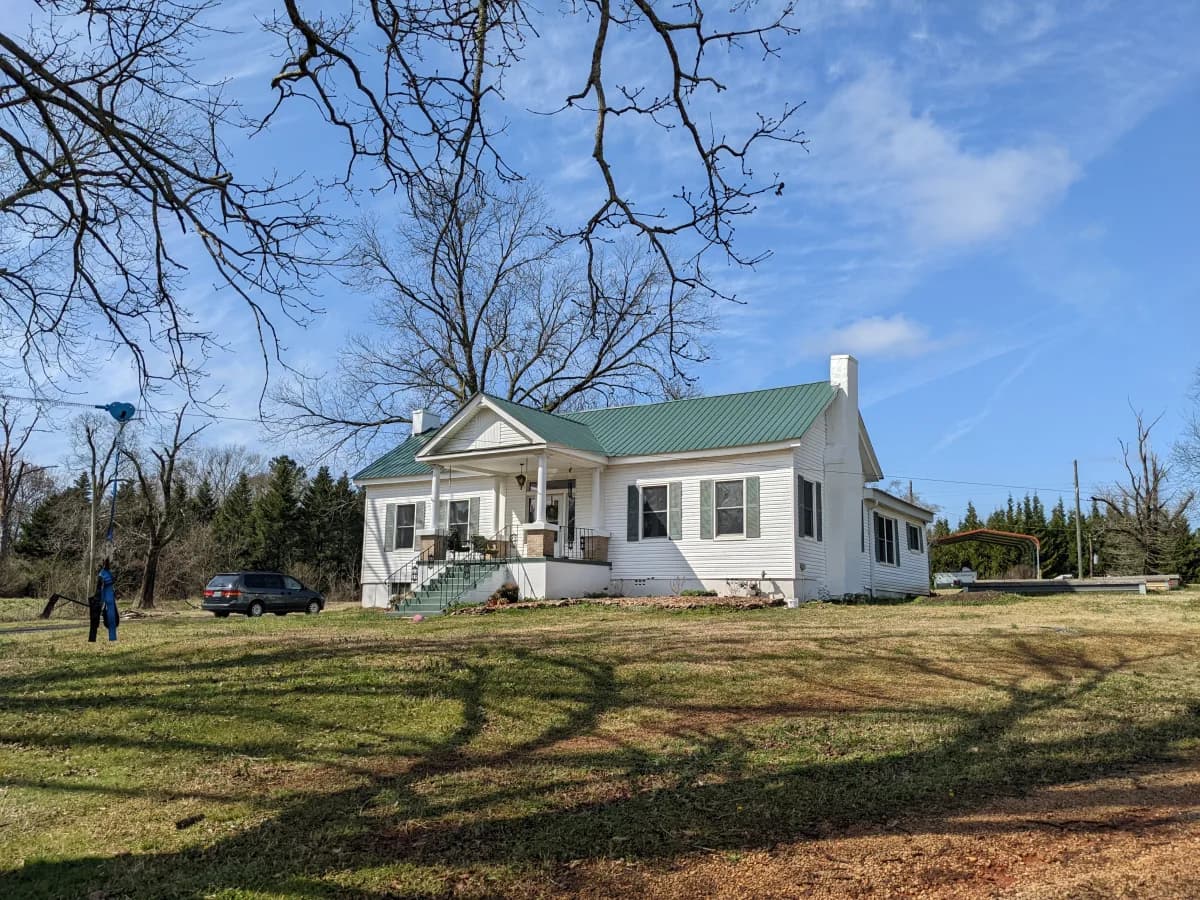
I farmed nine acres near the Chief Ladiga Trail for several years, not sixty, not a lifetime, but enough to understand what you are talking about when you say the land teaches things no classroom will. I understand it now in the particular and personal sense. A frost in April does not care what I planted. The soil has its own schedule. I found out I was not in charge of anything, which is a thing you had told me in print and which I understood with my mind and then had to relearn with my hands.
You would say I did not stay long enough. You are probably right.
I want to tell you what your work did for someone in Calhoun County, Alabama, which is not Henry County, Kentucky, but which has suffered the same things in the same decades and carries the same knowledge of what was lost.
The farms closed here. The young people left. The knowledge of how to keep a place left with them. The ridge where I farmed had an 1832 farmhouse on it. Someone had made a life there before me. That continuity is not sentimental. It is the thing you keep pointing at and that people keep needing to be told again.
I have read Jayber Crow three times. Each time I understand something I did not understand before. The most recent reading I understood the part about staying differently than I had. Not staying as endurance. Staying as a form of love that does not require the place to be easy.
I grow flowers now. Nobody in my tradition, which is the small-church Southern evangelical tradition, had any theology for what I was growing. The closest anyone came was to say that beauty was not worth much compared to utility, which is a doctrine that I think you would find familiar and that I no longer believe.
The flowers are beautiful. The beauty is sufficient.
I have enclosed a recent essay I published about how your work and Joel Salatin's work and the tradition of Southern agrarian writing intersects with what I have been trying to understand about the land here. I thought you might want to see it. You may not. That is also fine.
Your work taught me something I needed to know. I wanted to say so while you are still alive and on the farm.
With respect,
Matt Headley Calhoun County, Alabama
The letter went to: The Berry Center, 702 Main Street, New Castle, Kentucky 40050. His daughter Mary, who runs The Berry Center, may receive it. He may receive it. Someone will.
I enclosed my essay on the poly-cluster shape, the triskelion, the interconnected systems, the way Salatin and Berry and Mike Breen and others are describing the same structural truth from different angles. I thought he might find it interesting, or he might not. I am a farmer who used to be a pastor, writing essays on Southern Legends about land stewardship and faith. It is a strange thing to do. It is what I am doing.
I do not expect a reply.
I would welcome one.
Wendell Berry's most important books: Jayber Crow, The Unsettling of America, This Day: Sabbath Poems. See also Wendell Berry Has Been Saying This for Sixty Years and What Wendell Berry Knew.





Responses