

 Bridal ShowThe Aisle Bridal Show · Sunday, Feb 21 · Silver Run Chapel, Munford · theaislebridalshows.comRegister free →
This is the argument underneath the book. The story of how I came to it: The Book About AI and Faith That I Didn't Know I Was Writing.
I've been sitting with a question for about two years now, and I finally think I have enough to say something about it.
The question is this: does God have an opinion about artificial intelligence?
I know how that sounds. But stay with me.
I'm a United Methodist minister. I've spent most of my adult life in the Hebrew Bible — not as an academic, but as a working pastor trying to figure out what these old texts have to say about actual life. And what I kept finding, over and over, was a pattern I couldn't shake. The Hebrew Bible, from Genesis through Judges, is relentlessly suspicious of concentrated power. God scatters the builders at Babel. The Jubilee law in Leviticus dismantles accumulated wealth every fifty years and returns land to its original holders. The book of Judges runs for twenty-one chapters without a king. No central authority. Distributed. Decentralized. Over and over.
Then comes 1 Samuel 8. The people ask for a king. Samuel warns them what a king will do — take their sons, take their daughters, take their fields, take a tenth of everything. The king will take and take and take. God tells Samuel: they aren't rejecting you. They're rejecting me.
I've been reading that chapter differently lately.
The algorithm is the new king. Not a metaphor. A structural argument. The same dynamics Samuel describes — extraction, surveillance, the concentration of decision-making power into a single opaque center — are the operating logic of the platforms that now shape how we find information, how we form opinions, how we meet people, how we grieve. We didn't vote for this. We clicked through a terms-of-service agreement we didn't read, and here we are.
I'm writing a book about it. It's called God & the Algorithm.
The central argument is about disclosure. An AI that tells you it's an AI is doing something the tradition would recognize as honest. It's maintaining the distinction between creature and creator, between tool and person, between what is and what merely appears to be. An AI that pretends to be human is doing what Babel did — collapsing a distinction that was meant to hold, in the service of a power that benefits from the confusion.
This isn't an anti-technology argument. I've built web platforms. I use AI tools every week. I'm not standing outside the thing throwing rocks at it. I'm standing inside it, trying to figure out what faithfulness looks like from here.
The book is going to be short. Plainspoken. I want a pastor in a small church in Calhoun County to be able to read it and hand it to a deacon and say, here, this is what I've been trying to say. I want the person who has never opened a Bible but is genuinely unsettled by what's happening with AI to find an argument here that doesn't require them to share my faith to follow the logic.
I'll be writing through it here, in pieces, as I go. Some of it will be theology. Some of it will be reporting. Some of it will be personal — I've had my own complicated relationship with systems that claimed to know what was best for me, and that experience is in this book too.
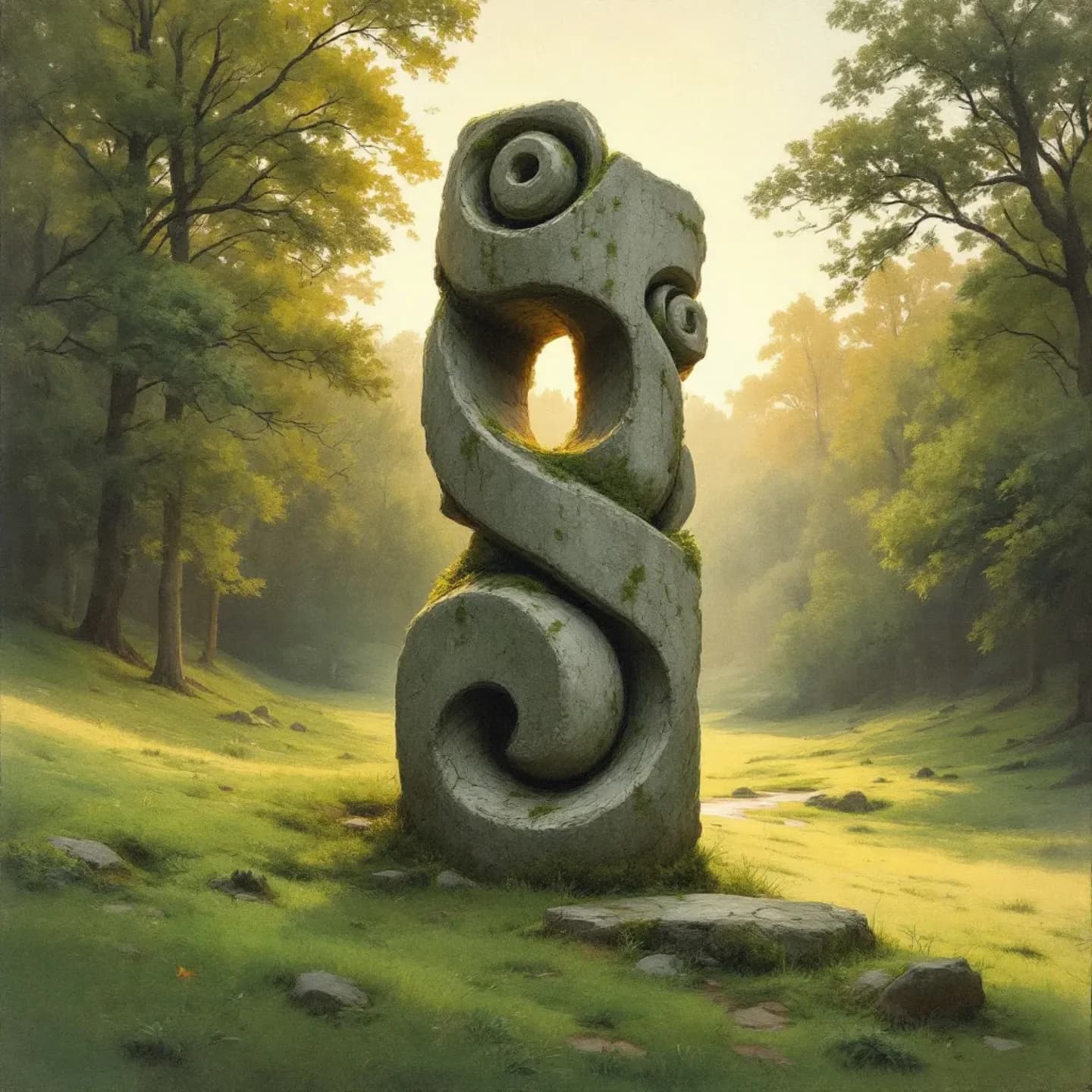
If any of this sounds like something you want to follow, I'm glad to have you along. You can read the story of how the book found me, or sit with the shape underneath all of it in What the Triskelion Means.
Matt
Matt Headley is a United Methodist minister, writer, and builder in northeast Alabama. He writes at Southern Legends.

Responses