
 Bridal ShowThe Aisle Bridal Show · Sunday, Feb 21 · Silver Run Chapel, Munford · theaislebridalshows.comRegister free →
The Back Forty is a column about the land and the people who pretend to understand it. Including me.
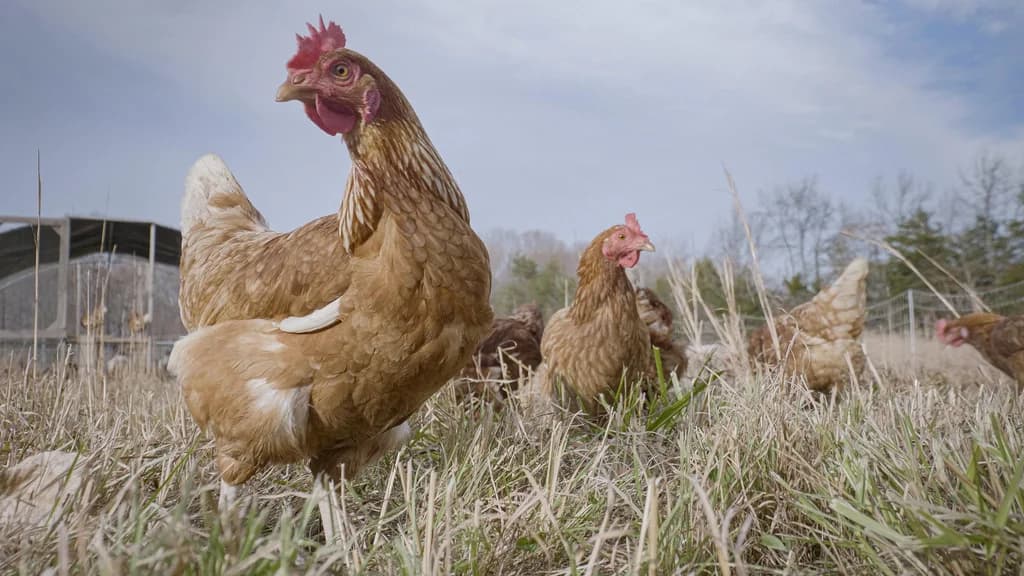
I grew up around chickens.
Not pastured, heritage-breed, rotationally-grazed chickens in a carefully engineered eggmobile. Just chickens. My grandmother kept them in a pen behind the house in Heflin, Alabama. They ate whatever was on the ground. They did not have a philosophy.
Last week I watched a thirty-seven-minute YouTube video about chickens.
The man in the video used the word "sovereignty" four times.
About chickens.
I want to be clear about something before I continue. I am not here to tell you Joel Salatin is wrong. Joel Salatin has forgotten more about land stewardship than I will ever know. He is a serious person doing serious work on serious land in the Shenandoah Valley of Virginia, and the argument he has been making for forty years, that the way we feed ourselves is an environmental and moral catastrophe, is correct.
I am here to tell you that somewhere between Joel Salatin and the internet, something happened.
There is now an entire category of person who describes their backyard chicken operation the way other people describe converting to a religion. The light in their eyes is the same. The certainty is the same. The merchandise is also the same.
I grow flowers for a living. I have done this in Northeast Alabama, in clay soil, in hundred-degree July heat, for several years. Nobody has ever watched me pull a drip line through a field and described it as "reclaiming something ancient."
But somewhere the influencer version of farming decided that difficulty is content. That if you film the hard part, you have earned the easy part. That the thirty-seven-minute video about chickens in which you use the word "sovereignty" four times is the thing, rather than the chickens.
I do not know exactly when this happened. I was outside.
Here is what I actually believe, which is separate from what I find funny.
People want to be connected to something real. They want to grow something, raise something, know where their food comes from. They want to put their hands in dirt that has not been processed. They want something that is not a screen. That impulse is not silly. That impulse is correct, and Wendell Berry has been saying so since before YouTube existed, and he was right then and he is right now.
The land is trying to tell us something and most of us are not listening.
I just think there is a difference between hearing the land speak and filming yourself hearing the land speak for thirty-seven minutes.
One of those things is farming.
The other one is content.
I am making content right now. I am aware of this.
My grandmother never named her chickens.
She said if you name them you can't eat them, and if you can't eat them they're just pets that smell bad.
She was not building a brand. She was not reclaiming anything ancient. She was not practicing food sovereignty or demonstrating regenerative poultry methods or building a following.
She was feeding a family in Heflin, Alabama, with chickens that had no philosophy.
She would have had thoughts about the YouTube video.
I did not ask her because she is dead and because I did not watch the video until last week. But I know the kind of thoughts they would have been. She was a precise and unimpressed woman and she had lived long enough to see several versions of people discovering things that had always been there and announcing the discovery as if it were new.
She did not name the chickens. She fed the family. She moved on.
The Back Forty runs on Southern Legends because this is where the real conversations about Southern land and Southern life happen. See also: Wendell Berry Has Been Saying This for Sixty Years and Joel Salatin Is What Happens When Wendell Berry Gets a Megaphone.

Responses