 Bridal ShowThe Aisle Bridal Show · Sunday, Oct 18 · Longleaf Event Center @ AMAG, Anniston · theaislebridalshows.comRegister free →
There is a version of this story where I tell you Anniston is a city on the rise.
I'm not going to tell you that version.
What I'll tell you instead is what I see from where I sit: a city that has been told it's dying for so long that some people have started to believe it, and a city that keeps refusing to act like it. These two things are both true at the same time, and I think that tension is worth paying attention to.
I've lived here most of my adult life. I left for a little while, like you do. I came back, like some of us do. I'm not a booster and I'm not a prophet. I'm a person who pays attention to this place because I think paying attention is itself a kind of faithfulness.
Last week I was working in a coffee shop downtown (not the one that closed, the other one) and I overheard a conversation between two people who had just moved here from somewhere else. They were talking about the bones of the place. That's the word they kept using. Bones.
The bones are good, they said. The bones are good.
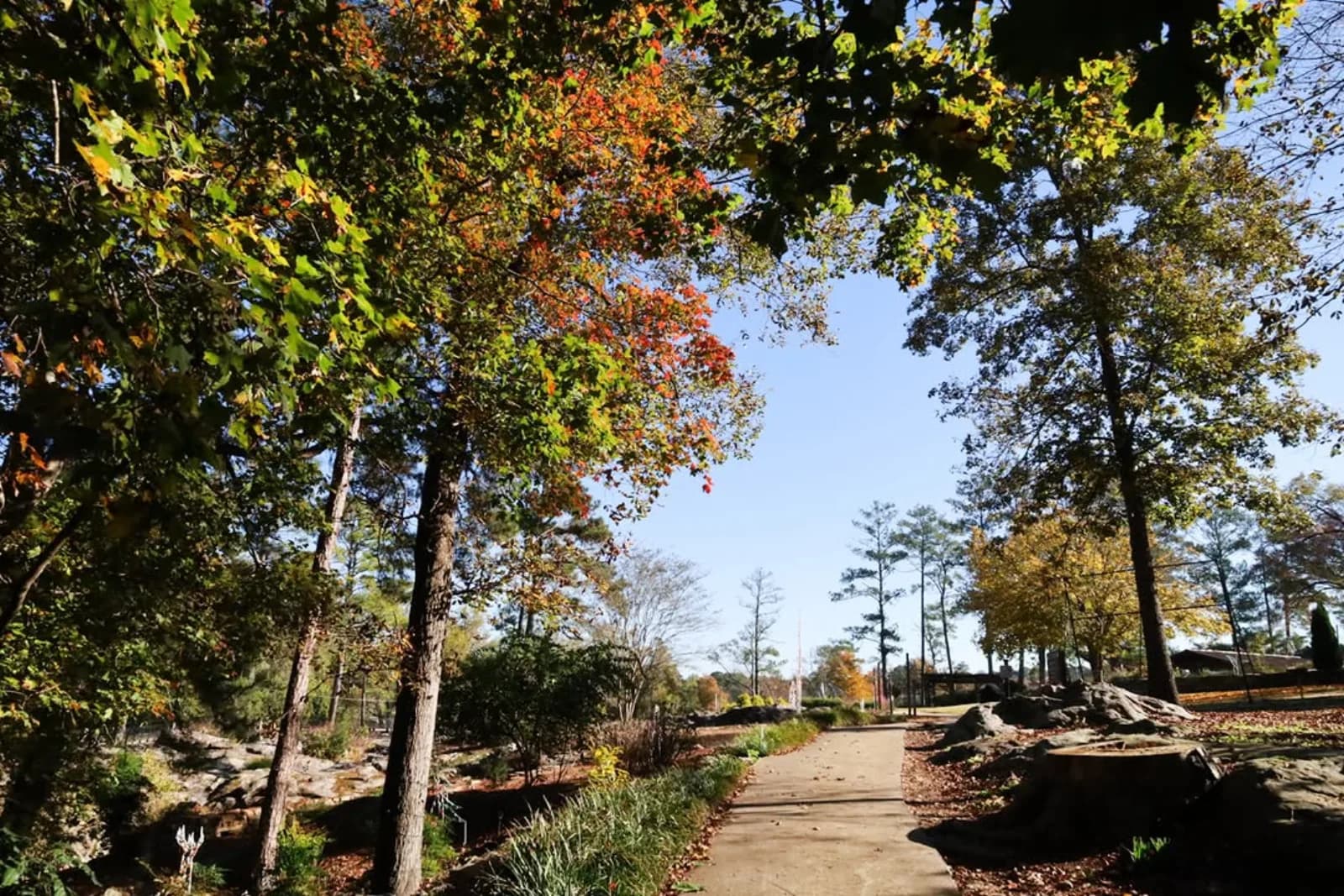
They weren't wrong. The bones of Anniston are remarkable. The architecture. The topography. The fact that you can drive fifteen minutes and be in a mountain forest. The fact that this place produced writers and soldiers and musicians and preachers whose names you'd recognize if I told them to you. The bones are good.
What I keep thinking about is whether bones are enough. Whether good bones can carry a city through the specific kind of neglect and loss and departure that a place like this has seen. I don't know the answer. I've been trying to find it in the stories.
Southern Legends started as a simple thing: I wanted to write profiles of people from Northeast Alabama who had done something worth knowing about. Athletes. Artists. Cooks. Preachers. People who left and became famous. People who stayed and became essential.
It's grown into something more complicated than that.
What I've found, profile by profile, is that the story of a place is the story of its people making decisions about whether to stay. That's it. That's the whole thing. Every profile I write is, somewhere underneath the surface, a story about that decision and what it cost and what it made possible.
Some of the people I've written about stayed and built something. Some left and sent money back. Some left and never looked back and became exactly who they needed to become. Some came back, like me, trailing whatever the years had done to them, trying to figure out what they owed the place and what the place owed them.
None of the answers are simple. That's what makes them worth writing.
I'm opening a studio in Anniston soon. A physical space where I'll work, and where some of what I build — the writing, the tools, the little company I'm running — will be clearly and visibly located in this city.
I don't know if that matters to anyone but me. It might not. But I think the act of naming where you're working from is its own kind of statement. It says: this place is real. What happens here is real. The people here are worth seeing.
Southern Legends is, at its core, a project about that. About the seeing.
The bones are good. The people are better. I'll keep writing about them.
Matt Headley writes about the people and places of Northeast Alabama at southernlegends.org.


Responses